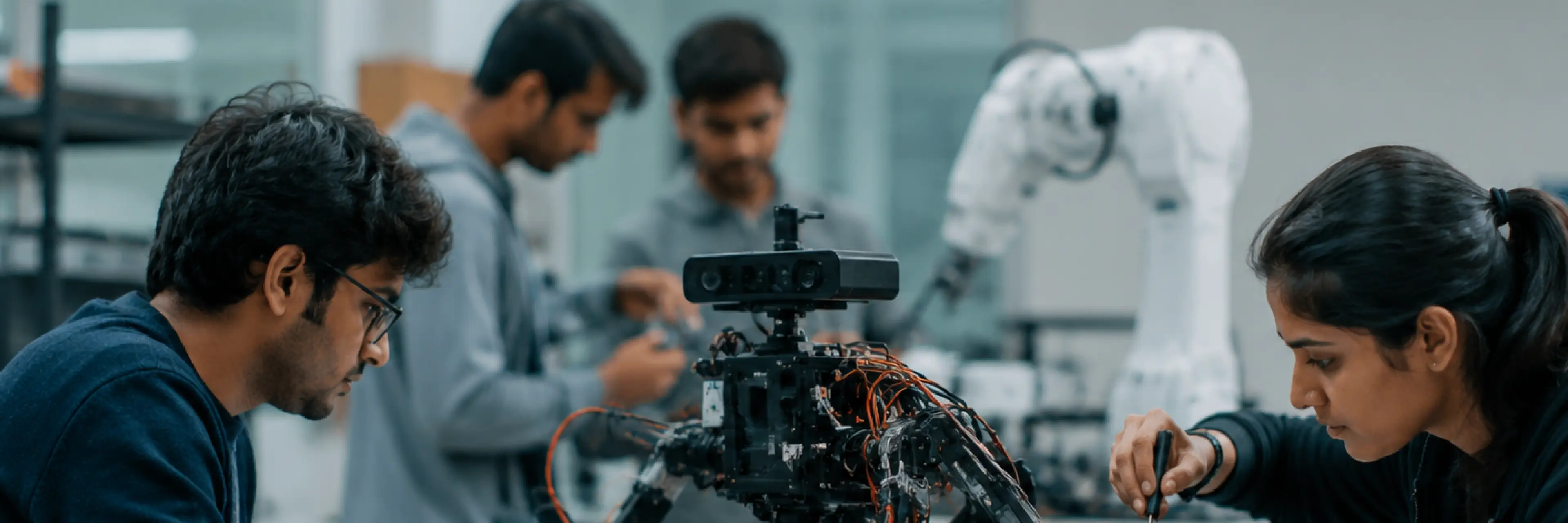
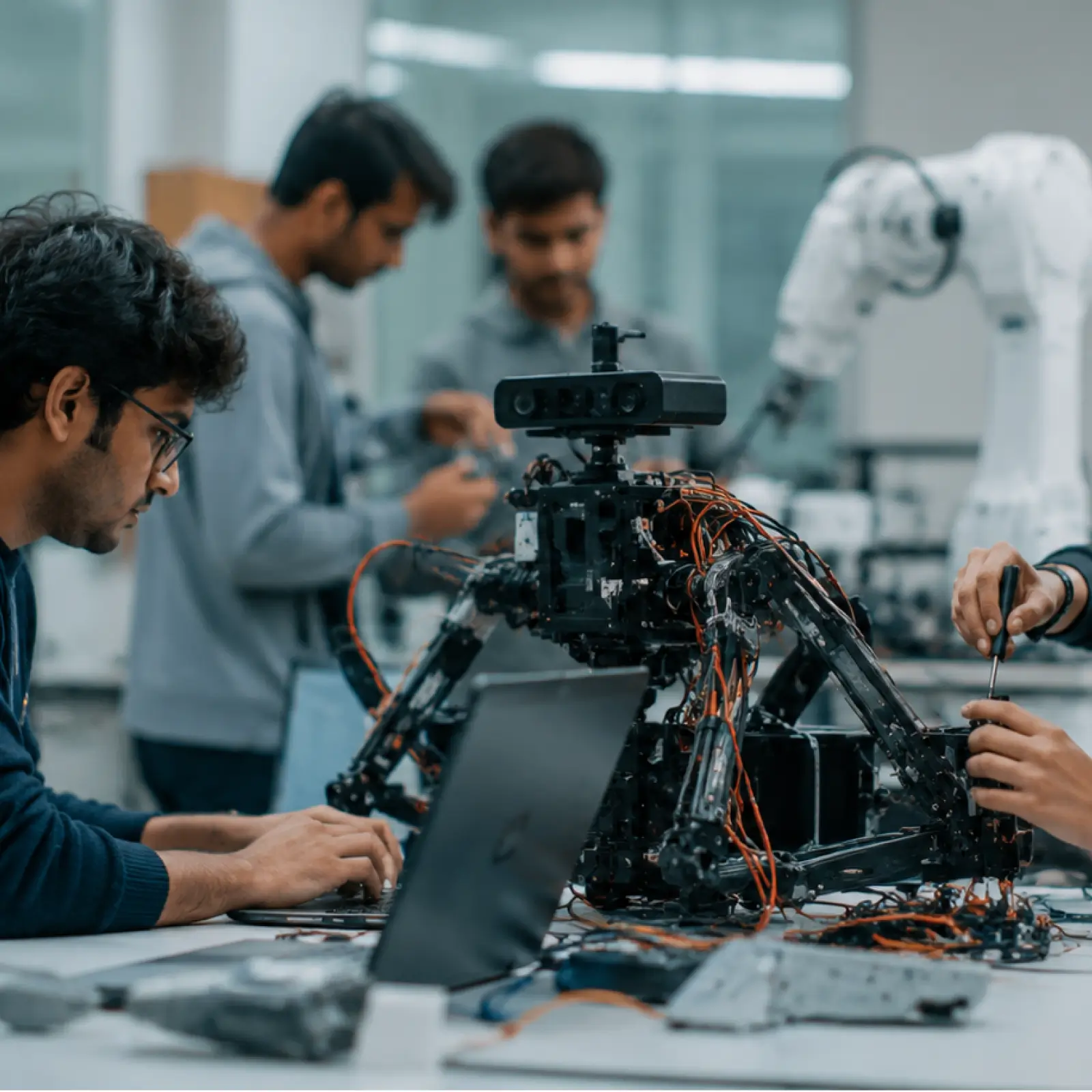
There is often a clear gap between what robotics students learn in classrooms and what they are expected to do in real-world roles. On paper, most graduates from a BTech in Robotics or related programs have a strong foundation in theory. They understand concepts like mechanics, control systems, programming, and basic automation. But when they step into industry environments, the expectations shift in a very different direction.
One of the biggest gaps is the lack of system thinking. Students are often trained to solve isolated problems, but robotics in practice is never isolated. It is a connected system where hardware, software, sensors, and data all influence each other. Without this systems view, it becomes difficult to understand how a change in one part affects the entire setup.
Another common gap is coding knowledge without deployment understanding. Many students can write algorithms or simulate solutions, but real-world robotics involves constraints like latency, hardware limitations, environmental noise, and safety considerations. What works in simulation often behaves differently when deployed in physical systems.
There is also a gap in integrating mechanical knowledge with AI and software systems. Students may understand individual domains, but struggle to bring them together into a functioning, intelligent system. Modern robotics requires this integration as a core skill, not an advanced add-on.
Because of these gaps, companies hiring for robotics engineer jobs are increasingly looking beyond academic performance. They want graduates who can operate in real-world complexity, not just theoretical clarity.
What companies actually expect today:
In short, the industry is not just looking for knowledge anymore. It is looking for applied understanding. The ability to connect concepts, test them in reality, and refine them based on how systems actually behave is what sets strong robotics professionals apart today.