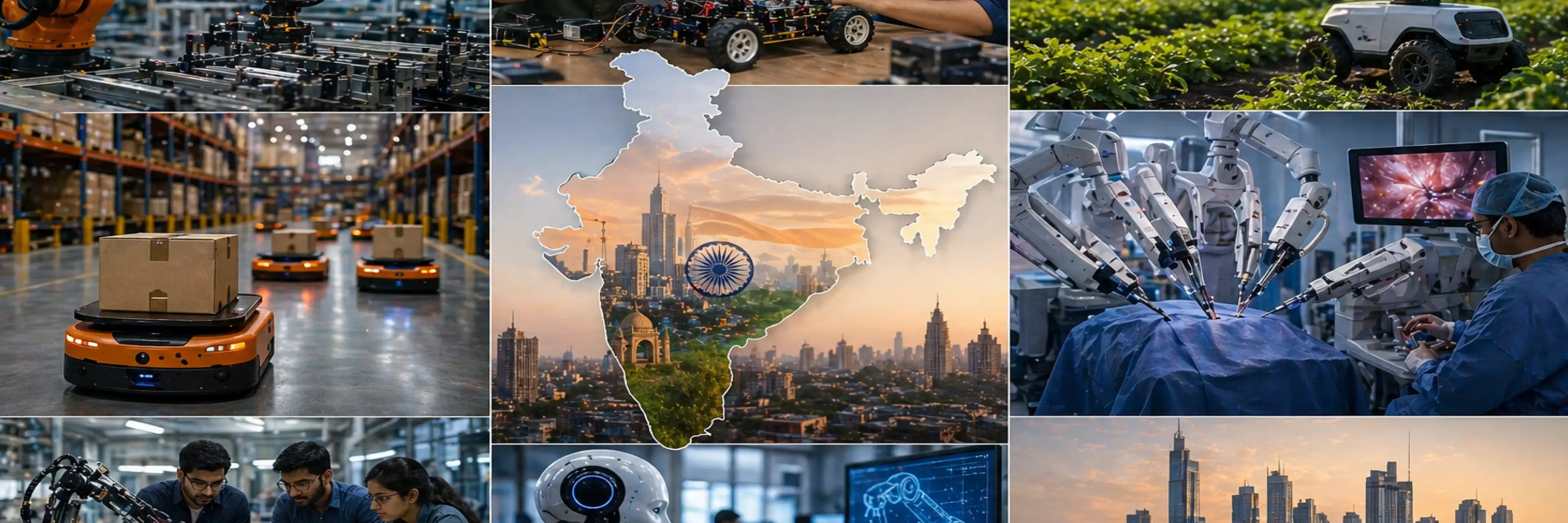
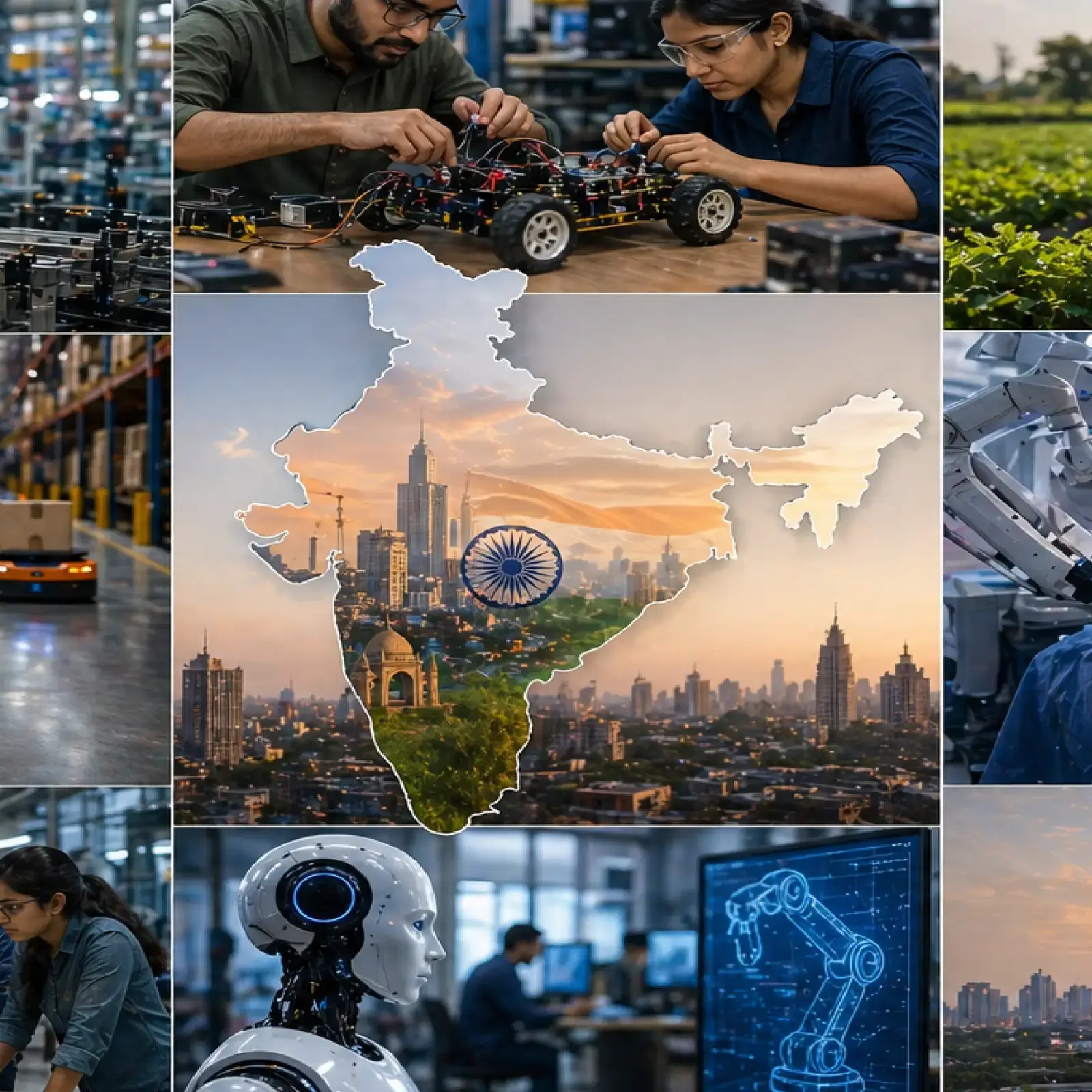
As India accelerates toward a more technology-driven economy, robotics is expected to evolve far beyond industrial automation. By 2026 and beyond, the focus will shift toward smarter, more intelligent, and more accessible robotic systems that can transform industries at scale. Three major trends are likely to shape the next phase of growth.
Smarter Collaboration Between Humans and Machines
The future of robotics is not about replacing human workers but enhancing their capabilities. Collaborative robots, or cobots, are being designed to work alongside people in factories, warehouses, hospitals, and even offices. These systems can handle repetitive, physically demanding, or high-risk tasks, allowing humans to focus on decision-making, creativity, and complex problem-solving. This collaboration can improve productivity, reduce workplace injuries, and create more efficient operations.
Growth of AI-Driven Robotics Systems
The next generation of robots will be powered by artificial intelligence. Instead of simply following programmed instructions, these systems will analyse data, adapt to changing environments, and make decisions in real time. From autonomous warehouse robots to AI-assisted surgical systems and self-operating vehicles, robotics and AI engineering is driving a shift toward machines that are smarter, faster, and more responsive.
Expansion of Startup-Led Innovation
India's startup ecosystem is playing a major role in shaping the future of robotics. A growing number of deep-tech startups are building specialized solutions for industries such as healthcare, agriculture, logistics, defense, and manufacturing. As investment and demand increase, these startups will drive innovation, create jobs, and expand the robotics and automation engineering scope across emerging sectors.
Together, these trends position India to become not just a user of robotics technology, but a global leader in developing and deploying intelligent systems.