There is a version of higher education that is primarily about credentials. Attend, complete, graduate, present the document. It is a transaction. The institution provides a degree and the student provides years of their life. What gets built in the process is often secondary to what gets certified.
There is another version that is primarily about capability. Engage, struggle, build, demonstrate what you can do. This version is harder to design, harder to sustain, and significantly harder to evaluate. But it produces something the first version rarely does: graduates who have already been tested.
The ATLAS SkillTech University HERC story is unambiguously an example of the second version.
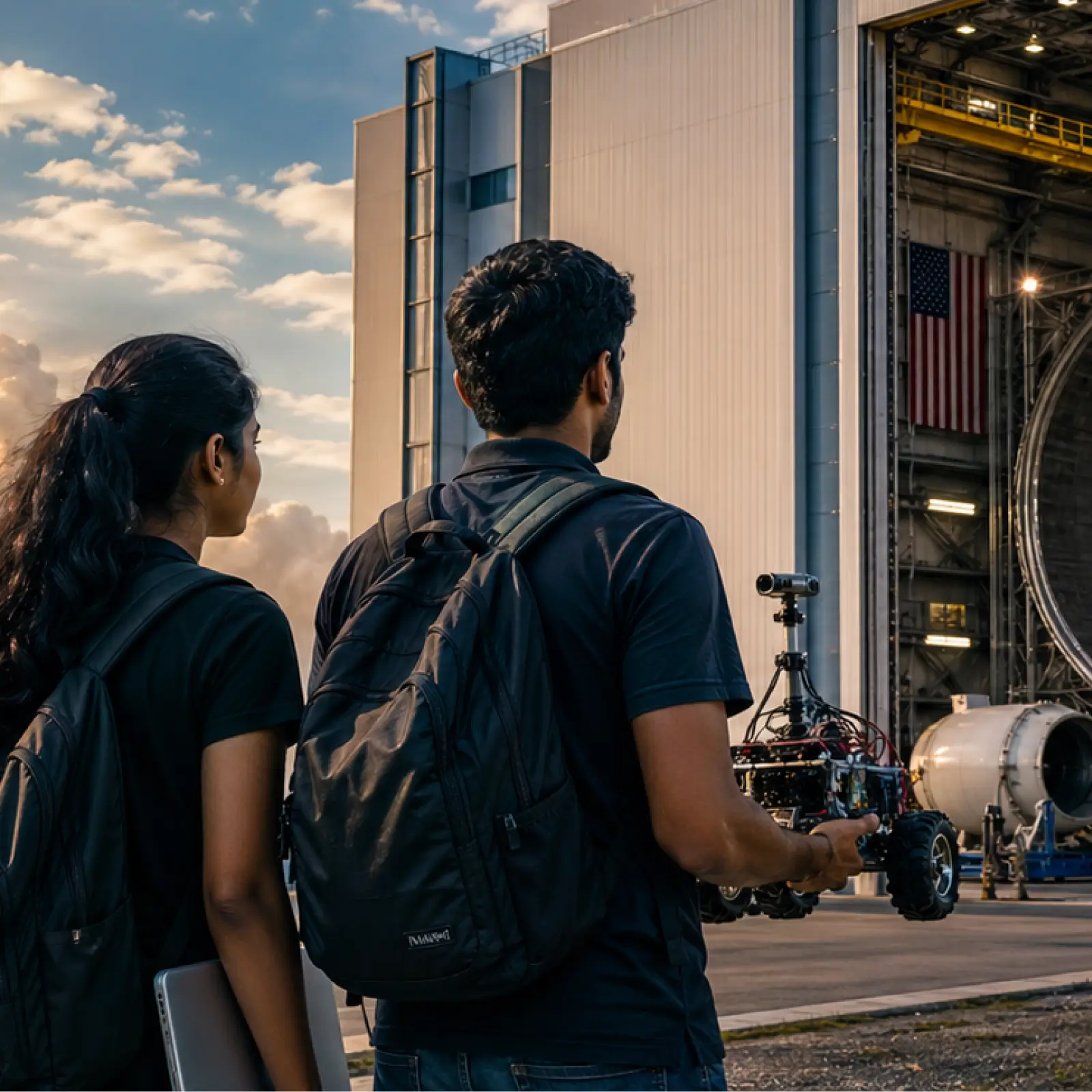
Fifteen students from Mumbai named their rover after a mythological vehicle known for navigating impossible terrain. Then they built it. Then they took it to Huntsville, Alabama, and competed against teams from across the world. Then they came back, reflected on what did not work, rebuilt their systems, and returned for a second campaign with sharper engineering and stronger outreach.
That arc matters. It is not a single moment of inspiration. It is a cycle of ambition, execution, failure, learning, and return. That cycle is what professional engineering actually looks like. And these students experienced it before they graduated.
The question worth sitting with, for students weighing BTech admission options and for institutions designing programs, is a simple one: what does your education produce that you can point to? Not a syllabus. Not a ranking. Not a list of courses completed. Something built. Something tested. Something that went somewhere and did something under conditions that could not be controlled.
That is what education can look like. That is what BTech project-based learning at its most serious produces. And that is the standard ATLAS has set, not for itself alone, but for Indian engineering education as a whole. The question now is who rises to meet it.