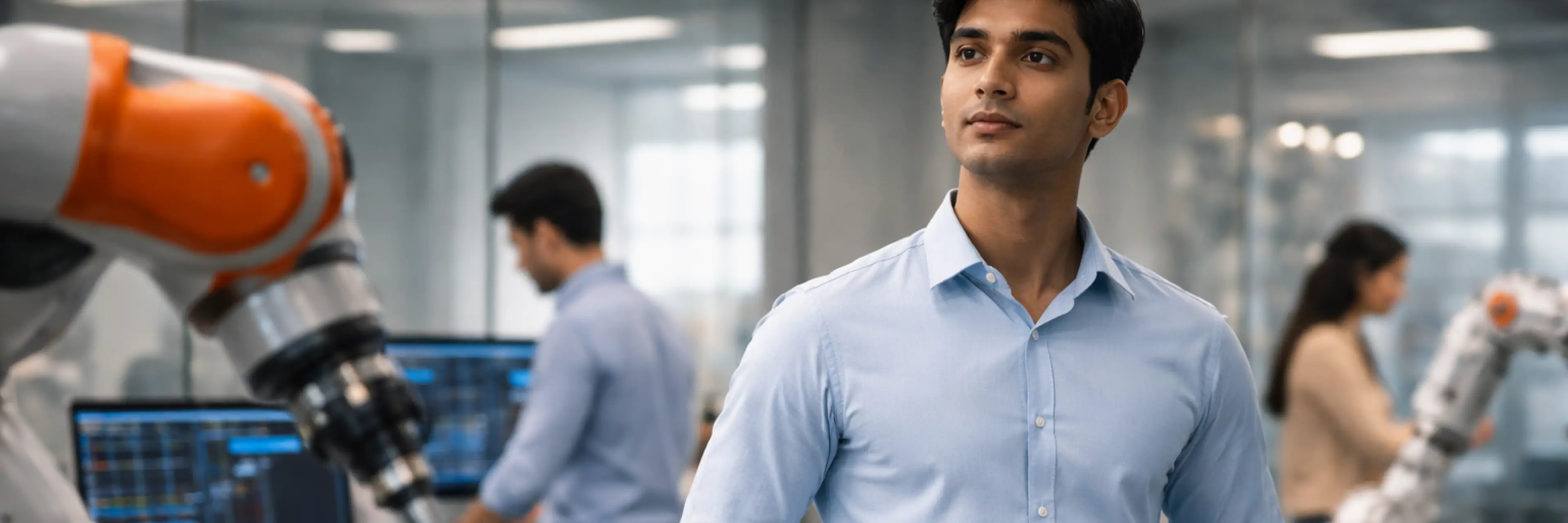
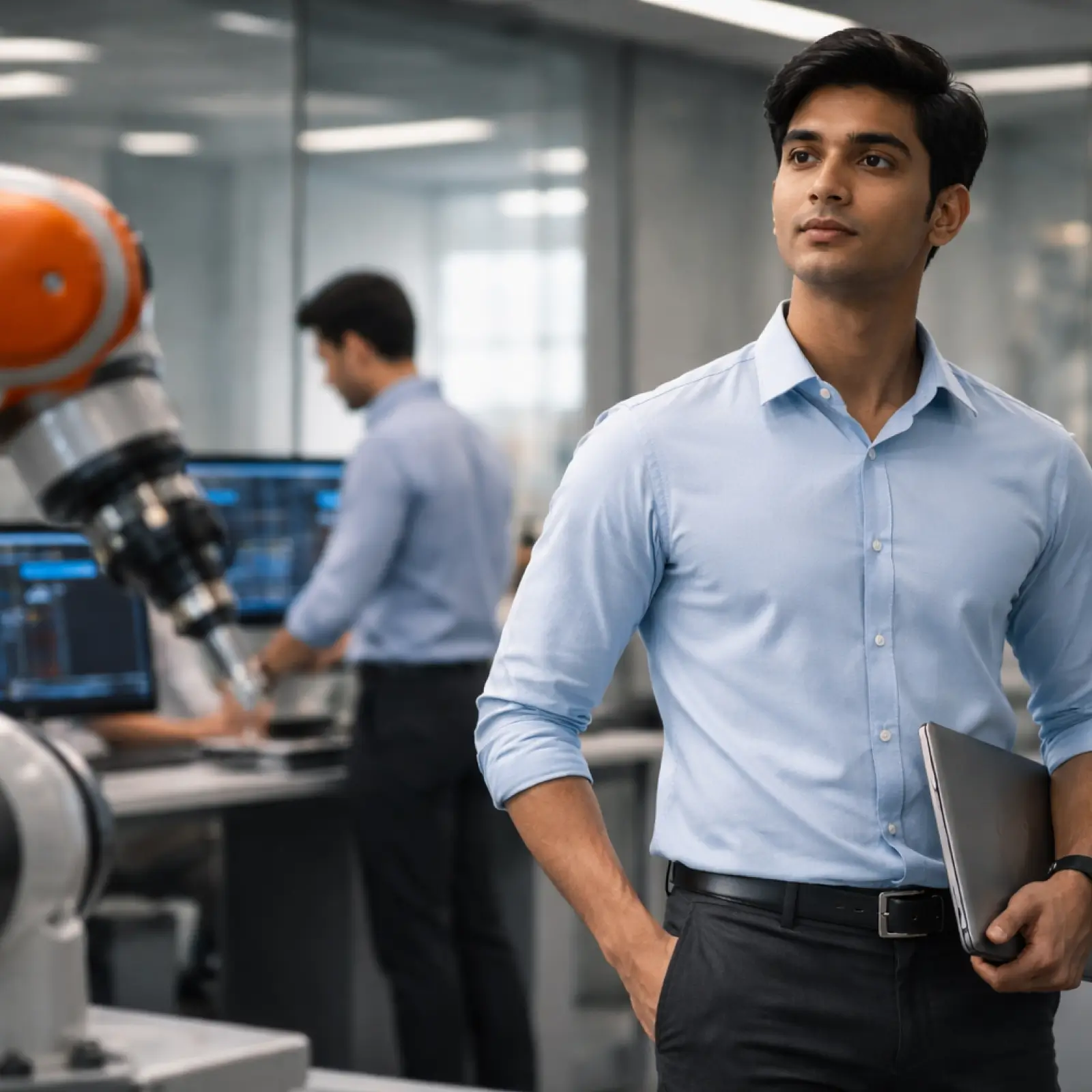
A BTech in Robotics is not designed as a narrow engineering pathway—it is structured as an interdisciplinary training ground for solving complex, real-world problems. As industries increasingly adopt automation, AI, and intelligent systems, the role of a robotics engineer has expanded from building machines to designing adaptive ecosystems. A well-crafted BTech Robotics and Artificial Intelligence program reflects this shift by combining technical depth with applied learning, ensuring graduates are prepared not just to enter the workforce, but to contribute meaningfully from day one.
An Interdisciplinary Curriculum Rooted in Application
The strength of a BTech in Robotics Engineering lies in its integrated curriculum. The BTech in Robotics and Automation syllabus typically spans mechanical engineering fundamentals, electronics, control systems, and advanced computing, while embedding artificial intelligence and machine learning throughout. What makes this approach effective is its emphasis on application—students are not just learning how systems work in isolation, but how they come together in real-world scenarios. Whether it's designing a robotic arm or programming an autonomous vehicle, the focus remains on building systems that function outside the classroom.
Hands-On Learning Through Labs and Prototyping
Theory alone cannot prepare students for the unpredictability of real-world robotics. This is where labs, maker spaces, and prototyping environments play a critical role. Students pursuing a BTech in AI and Robotics are often engaged in building, testing, and refining systems—working with sensors, embedded systems, and AI models in controlled yet practical settings. These experiences develop an intuitive understanding of how machines behave, fail, and improve. Over time, this hands-on exposure builds confidence and problem-solving agility, qualities that employers consistently look for in robotics talent.
Industry Integration and Real-World Projects
A defining feature of future-focused programs is their integration with industry. Through live projects, internships, and collaborative research, students gain exposure to the challenges companies are actively trying to solve. For a BTech Robotics Engineering student, this might mean working on automation workflows for manufacturing, developing AI-driven robotics solutions, or contributing to product prototypes within start-ups.
Institutions that embed such experiences into their pedagogy—through partnerships, innovation labs, and industry mentorship—bridge the gap between academic learning and professional expectations. This is where universities like ATLAS SkillTech University distinguish themselves, by aligning curriculum with evolving industry needs and enabling students to work on problems that matter.
Building a Future-Ready, Innovation Mindset
Beyond technical skills, a BTech in Robotics shapes how students think. The ability to approach problems from a systems perspective, collaborate across disciplines, and design with both efficiency and human usability in mind is what defines future-ready engineers. Exposure to entrepreneurship, design thinking, and emerging technologies ensures that graduates are not limited to predefined roles.
Instead, they are equipped to create new ones—whether in robotics start-ups, research, or interdisciplinary innovation. A BTech Robotics and Artificial Intelligence program, when executed well, doesn't just prepare students for existing jobs; it prepares them to shape the future of work itself.