













B.Tech in CS, AI & Robotics

Build intelligent systems and shape the future of technology.
Next Cohort
July 2027
Format
4 Years, Full time

The ATLAS uGDX B.Tech Experience

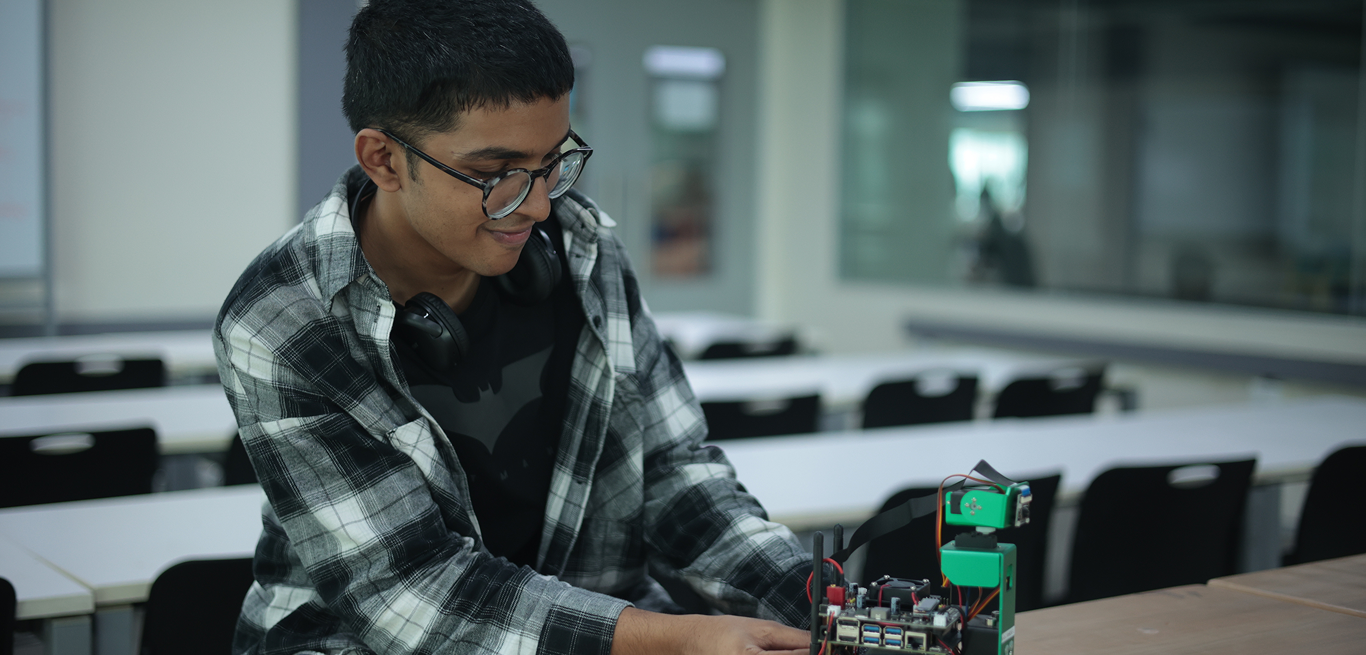
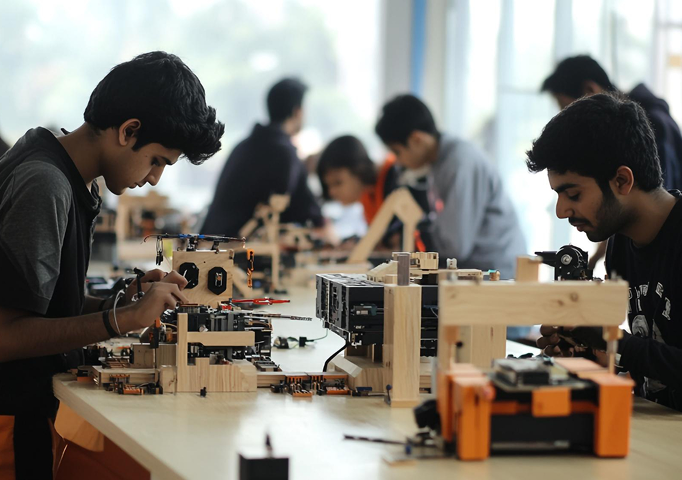
The B.Tech programs in ATLAS immerses you in technology from day one - through hands-on coding, real-world projects, and industry-integrated learning that build the skills to innovate and lead in the digital world.
  • Multidisciplinary
    Tech Education
    Learn AI/ML alongside electives in design and management, applying your skills through a semester-long internship.
  • Master classes by industry leaders
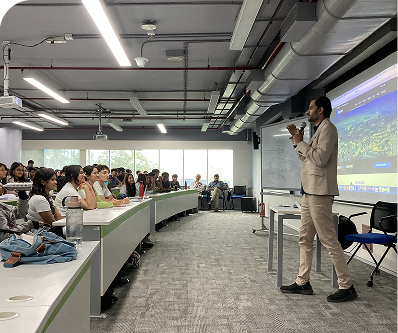
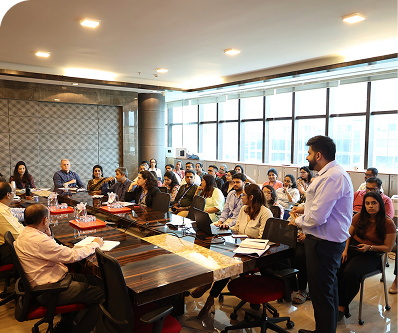
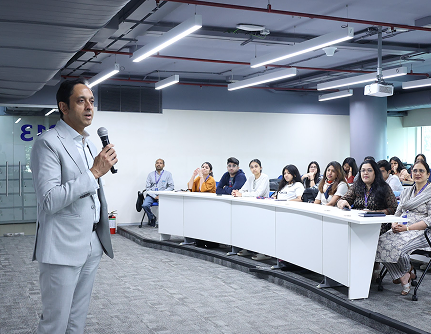
    Learn directly from global technology experts, CTOs, and industry innovators.
  • NEP 2020
    Integrated
    Hundreds of hours of coding practice and training to master writing clean, scalable code.
  • Experiential &
    Hands-on learning
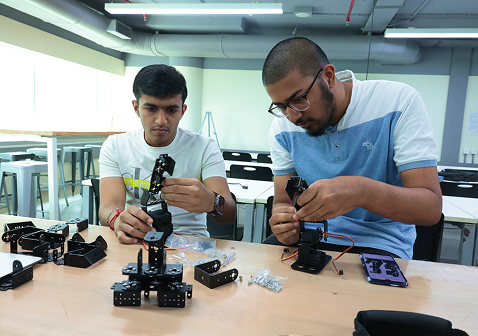
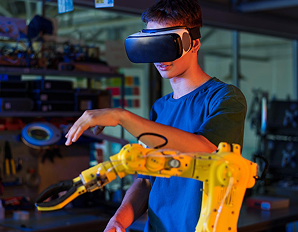
    Apply classroom concepts to live projects and real-world problem solving.
  • Curriculum co-created with industry
    Study a curriculum designed with leading CTOs to stay aligned with industry needs.
  • Entrepreneurship hub
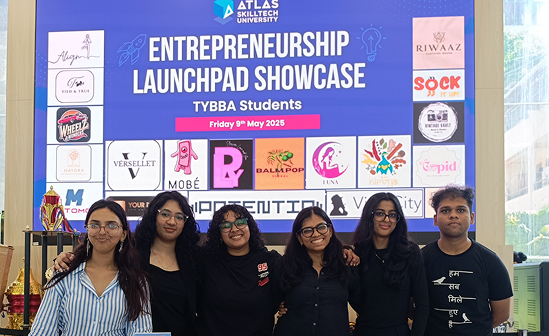
    Get mentorship and support from Venture Labs to build and launch your own tech startup.
  • Urban campus experience
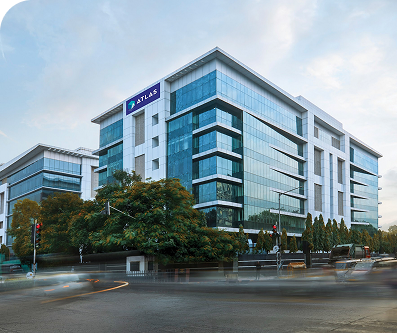
    Thrive in a modern, high-tech learning environment with state-of-the-art infrastructure.
  • Career services
    Apply classroom concepts to live projects and real-world problem solving.

Why Choose B.Tech in CS, AI & Robotics at ATLAS uGDX

AI Integrated Robotics

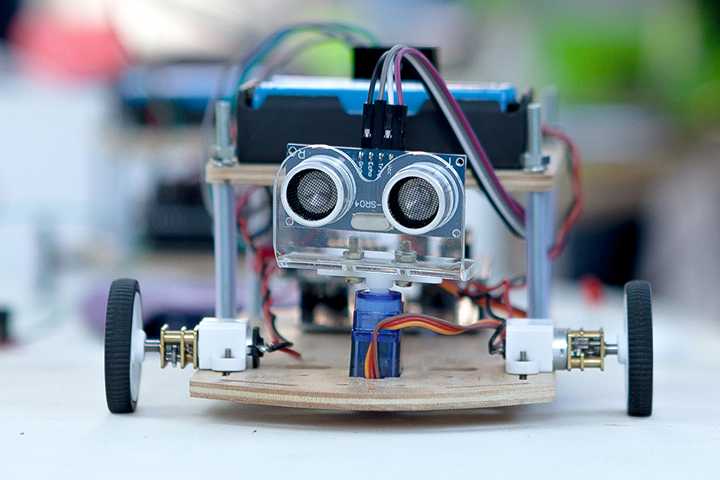
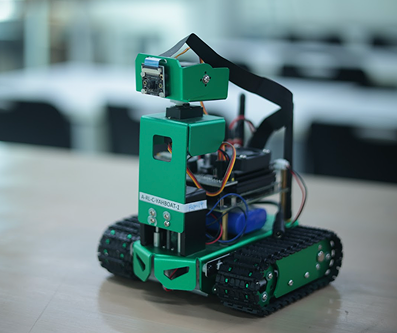
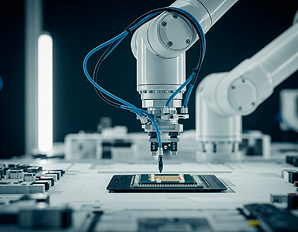
Integrates machine learning, deep learning, and computer vision to create robots that can perceive, learn, and make autonomous decisions.
01

Full-Stack Robotic Engineering

Spans the complete process of robotic creation — from mechanical design and sensors to intelligent control and automation systems.
02

Project-Based Learning

Centred on hands-on Pinnacle projects where students design, prototype, and refine functional robots each year.
03

Learn Next-Gen Technologies

Introduces IoT, blockchain, additive manufacturing, and cybersecurity to build connected, future-ready robotic systems.
04

Innovation With Purpose

Combines research, entrepreneurship, and ethical design to develop robotics solutions that create real-world impact.
05

A Curriculum Designed for the Future

Built on the ‘Goal for Each Term’ (GET) philosophy, our curriculum ensures every semester has a clear, outcome-driven focus; continuously evolving with emerging technology trends and the learning needs of our students.

Semester 1

Foundations of Computational Intelligence
This semester builds a strong technical base through programming, mathematics, and data principles essential for AI and machine learning. Students develop analytical reasoning, computational logic, and database proficiency while exploring interdisciplinary applications.
Introduction to Computer Science and Programming 1
Introduces computational thinking, coding logic, and basic programming concepts.
Calculus 1
Covers foundational calculus concepts essential for modeling and analytical reasoning.
Foundations of Statistics and Probability for AI and ML
Teaches core probability and statistical methods used in AI and machine learning.
Databases and SQL
Focuses on database design, querying, and management using SQL.
Chemistry
Provides insight into fundamental chemical principles and their technological applications.
Fundamentals of CT, AI, ML, Robotics & Data Science
Introduces computational thinking and the basics of AI-driven robotics.
Communication Skills for Digital World
Enhances professional and technical communication tailored for digital, collaborative, and research environments.
ATLAS Electives
Allows interdisciplinary exploration to broaden understanding across technology, design, and innovation domains.
Simulation/Computer Game Design (Pinnacle I)
Introduces simulation logic and interactive design principles through computer-based game development projects.

Semester 2

Advancing Computational Logic and Scientific Foundations
Deepen your understanding of computer science, mathematics, and physical principles through advanced courses in programming, calculus, and mechanics. This semester emphasizes algorithmic problem-solving, data modeling, and logical reasoning—while fostering strong scientific literacy, writing clarity, and holistic awareness through explorations in health sciences and expository communication.
Introduction to Computer Science and Programming 2
Advances coding proficiency with algorithmic design, data structures, and complex problem-solving in programming.
Mathematics for Computer Science
Explores discrete mathematics and logic essential for algorithms, computation, and software design.
Calculus 2
Extends calculus concepts to sequences, series, and multivariable problems used in advanced computing applications.
Engineering Physics (Mechanics)
Explores the physical principles governing motion, forces, and energy in engineering contexts.
Statistical Modelling
Focuses on building and interpreting models to analyze data and make predictions.
Indian Health Sciences
Examines traditional and modern perspectives on health and wellness in India.
Expository Writing
Enhances written communication through structured, clear, and persuasive writing techniques.
ATLAS Electives
Encourages interdisciplinary exploration linking robotics with innovation, design, and sustainability domains.
Data Analyst Project (Pinnacle II)
Applies data analytics tools and techniques to solve structured, real-world data challenges.

Program Outcomes

Strong Computational Foundations
Build strong skills in programming, algorithms, and problem-solving for real-world applications.
Intelligent Systems Design
Apply AI, machine learning, and deep learning to create adaptive, data-driven solutions.
Robotics & Mechatronic Integration
Design and control smart robots by integrating mechanics, and AI.
Hands-on Innovation
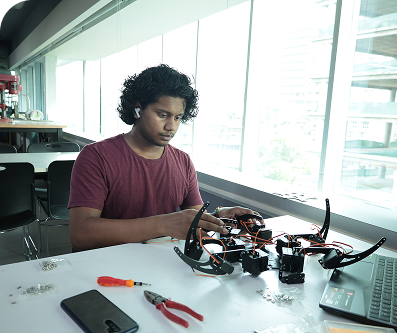
Turn ideas into working prototypes through simulations and Pinnacle projects each year.
Emerging Technologies
Gain exposure to IoT, blockchain, and additive manufacturing for next-gen automation.
Career and Research Readiness
Graduate prepared for advanced careers or further studies.

Ready to Build What’s Next?Let’s Get Started.

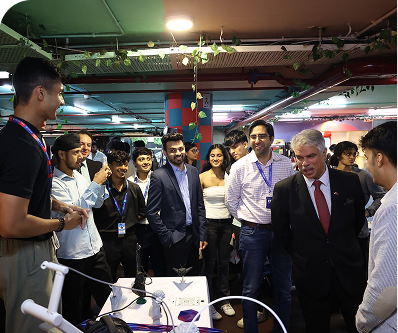
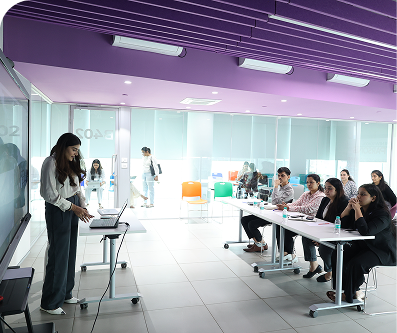
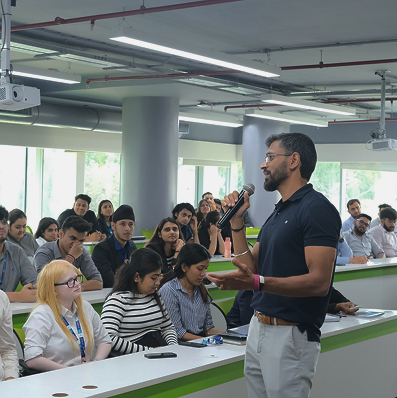
Get a glimpse - where future engineers and innovators areshaped through technology, industry, and inspiration.

Career Pathways

Explore diverse career pathways across AI, Data Science, and Emerging Technologies

Student Voices: Real Voices from the Program

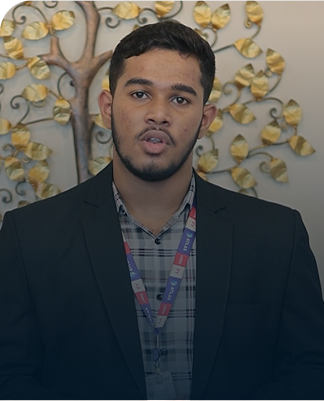
  • Unlike traditional B.tech programs, uGDX prioritizes hand-on experiences and industry opportunities.
    Ayush Gharat
    Student, uGDX
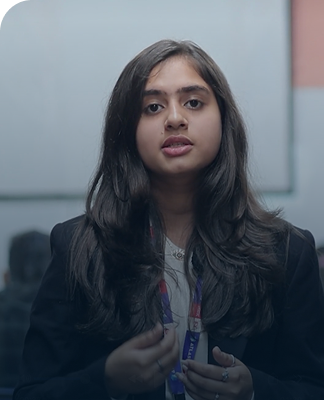
  • At uGDX, I have started viewing the world in a different way.
    Leisha Totani
    Student, uGDX
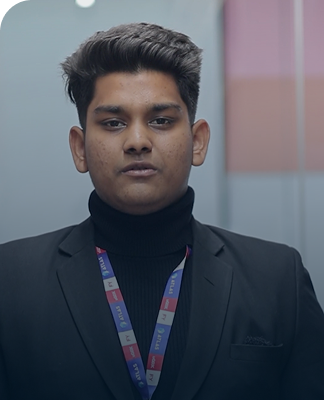
  • We get endless opportunities here at ATLAS uGDX.
    Mohit Bhimrajka
    Student, uGDX
  • What I love about uGDX B.Tech program is that every semester has specific goals and outcomes.
    Adarsh Mukherhjee
    Student, uGDX

Your guide to joining B.Tech in CS, AI & Robotics at ATLAS uGDX

01
Fill the online Application Form
Apply for July 2027 Intake
02
uGDX Challenge
03
Personal Interview
04
Result
Announcement
05
Complete
Enrolment
Eligibility
Indian Boards (ISC / CBSE / State Boards)
Minimum 50% in Class XII
Mathematics and Physics are mandatory

A-Levels (UK)
Minimum grades A/B/C in 2 subjects
Grade B or above in Mathematics.
Mathematics and Physics are mandatory

International Baccalaureate (IB)
Minimum of 24 points in 3 HL & 3 SL subjects
Mathematics and Physics are mandatory
Application Fee: ₹3,500
After selection, the enrolment fee of ₹50,000 to secure your seat is Nonrefundable!
Fee Structure
We believe in clarity. Here’s a simple year-on-year breakdown of our fees!
Loans & Scholarships
That’s right – Funding just got easier! We partner with India’s top banks to support your journey to success. And, our ATLAS Scholarship is there to enable access to world-class education and lifelong growth.
More questions?
Let our AI Assistant answer your queries

Questions? We can read your mind

B.Tech in Computer Science with AI & Robotics is a future-focused engineering program that combines core computer science with artificial intelligence and robotics systems. Students learn to design intelligent machines, autonomous systems and smart software that interact with the physical world through sensors, algorithms and automation.

Yes. AI & Robotics is one of the most promising career paths for science students, driven by demand across manufacturing, healthcare, mobility, defence and automation sectors. The field offers strong long-term growth, global opportunities and roles at the intersection of hardware and software.

AI & ML focus mainly on data-driven intelligence, algorithms and predictive models. AI & Robotics goes a step further by applying AI to physical systems, combining software intelligence with robotics hardware, sensors, control systems and real-world automation.

Applicants must have completed Class 12 or an equivalent qualification with science subjects from a recognised board. Program-specific academic requirements and aptitude assessments may apply as part of the admissions process.

Admissions may involve an entrance assessment, aptitude evaluation or university-defined selection process. Students are advised to refer to the official Atlas admissions portal for the latest exam and evaluation criteria.

The admission process includes online application submission, academic evaluation and participation in assessments or interviews where applicable. Selected candidates receive offers based on merit, aptitude and program fit.

The curriculum includes computer programming, artificial intelligence, machine learning, robotics fundamentals, embedded systems, sensors, automation and control systems. Students also work on interdisciplinary projects that integrate AI with physical computing.

The program fee is structured based on academic year and facilities offered. Students are encouraged to check the official Atlas University website or admissions office for the most accurate and updated fee details.

Yes. Atlas SkillTech University offers merit-based scholarships, need-based financial support and program-specific awards. Eligibility and scholarship details are available through the admissions portal.

Graduates can pursue careers in artificial intelligence, robotics, automation, systems engineering, research and technology consulting. Opportunities exist across robotics firms, technology companies, manufacturing, healthcare and research organisations.

Yes. The program emphasises hands-on learning through robotics labs, simulation environments, applied projects and experimental learning modules. This practical exposure helps students translate theory into real-world applications.

Absolutely. Students participate in internships, live industry projects, masterclasses and industry interactions, ensuring exposure to real-world challenges and professional workflows.

Yes. Practical training and internships are integral to the program, allowing students to gain industry experience, applied skills and career readiness before graduation.