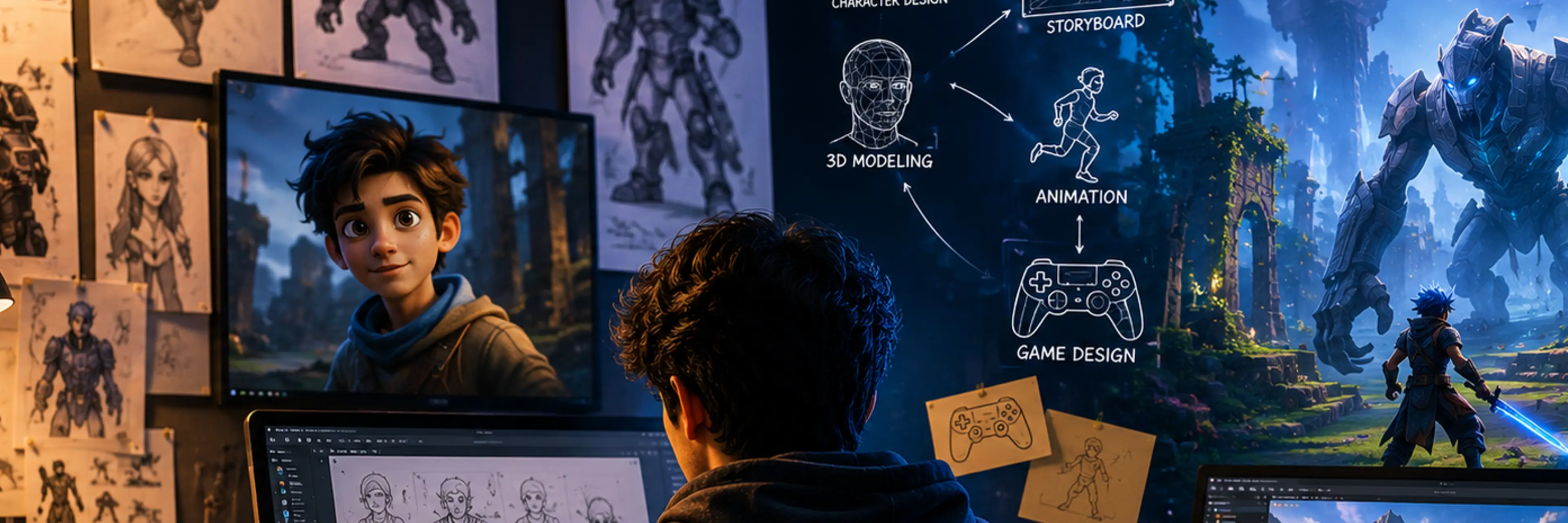
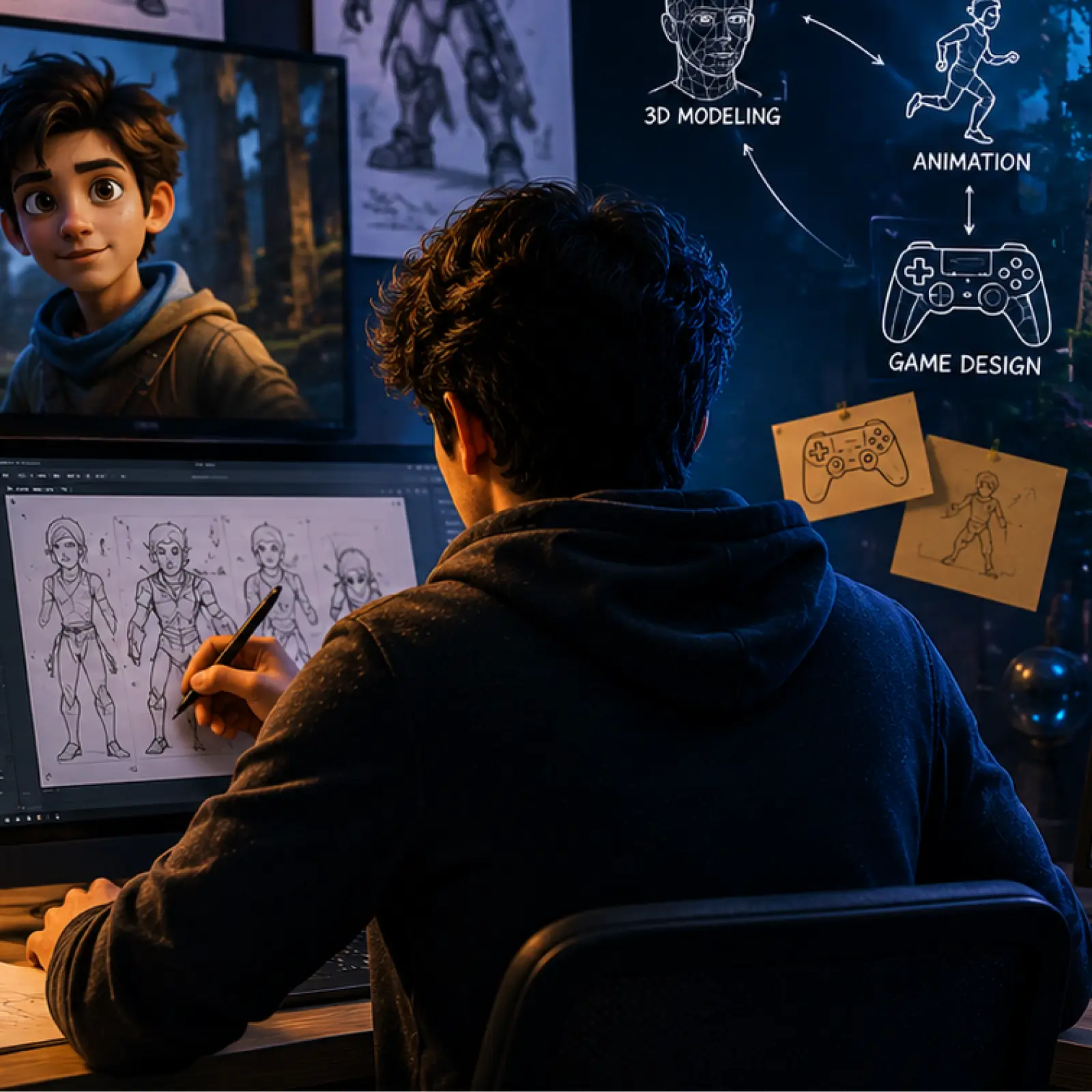
At first glance, animation, visual effects, and game design may seem like distinct career paths. Animation is often associated with films and digital content, VFX with cinematic spectacles, and game design with interactive entertainment. However, the reality is far more interconnected. The skills that power great animated stories and stunning visual effects are increasingly becoming the foundation of modern game development.
As gaming experiences become more cinematic and immersive, studios are actively seeking professionals who can blend artistic creativity with technical expertise. This is why graduates of a B.Des Animation and VFX program often find themselves well-positioned for careers in game design and interactive media.
Character Design and Animation Bring Games to Life
Memorable games are built around memorable characters. Whether it is a fantasy hero, a sports athlete, or a futuristic avatar, every character must look believable, move naturally, and connect with players emotionally.
The principles taught in a
B Des in Animation program, such as anatomy, character development, facial expressions, body language, and movement, are directly applicable to game development. Unlike films, where viewers passively watch a character's journey, games require characters to respond dynamically to player actions. This makes animation expertise even more valuable in creating engaging gameplay experiences.
Storytelling and World-Building in B Des in Animation and Game Design
Successful games are no longer defined solely by gameplay mechanics. Players increasingly expect rich narratives, detailed environments, and worlds that feel alive.
The same storytelling techniques used in animated films and visual media help game designers craft compelling player experiences. From developing a narrative arc to designing environments that communicate a story without words, animation and VFX professionals already possess many of the skills needed to build immersive game worlds. This ability to create emotional engagement through visual storytelling is one of the reasons why animation graduates are finding opportunities beyond traditional media industries.
Visual Effects in Gaming: Where VFX Degree Skills Meet Player Experience
Visual effects do much more than make games look impressive. They provide feedback, guide player behavior, and enhance immersion.
For example, a burst of light when a player completes a mission, environmental effects during a storm sequence, or realistic explosions during gameplay all contribute to the overall experience. These elements rely on many of the same techniques used by professionals pursuing a
VFX degree or advanced
VFX training and character animation degree programs.
As gaming technology continues to evolve, demand is growing for artists who understand how to create effects that are both visually striking and technically optimized for real-time environments.
Game Design Combines Creativity, Technology, and User Experience
Perhaps the strongest connection between animation, VFX, and game design lies in their shared focus on experience creation. All three disciplines aim to capture attention, evoke emotions, and engage audiences.
However, game design adds another layer: interaction. Designers must think about how users will navigate a world, make decisions, overcome challenges, and stay engaged over time. This requires an understanding of psychology, design thinking, storytelling, and technology.
For students exploring game design courses in India, this interdisciplinary nature makes the field particularly exciting. It offers an opportunity to apply creative skills while collaborating with developers, designers, and technologists to build experiences that are not just watched, but actively lived by users.
As the lines between entertainment, technology, and immersive media continue to blur, the connection between animation, VFX, and game design will only become stronger, creating new possibilities for creative professionals across industries.