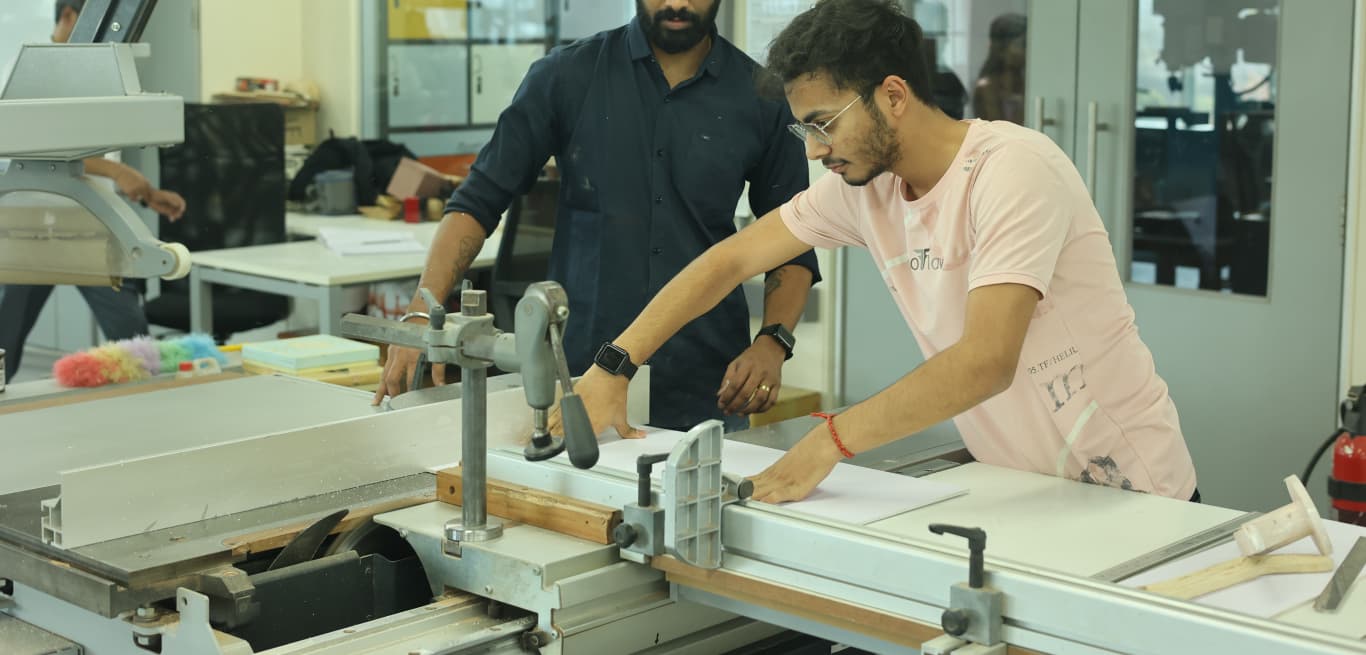
Our Globally Benchmarked Curriculum
other design school?
after-thought.
Admissions — The Design Way


Review

- Minimum 50% overall in Class XII
- GCSE/IGCSE Examinations of the approved British Examination Bodies,
with minimum 5 (Five) subjects in A, B, C, D and E grades, including English at
Ordinary 'O' Level and 2 subjects at Advanced ("A") Level has been equated with
+2 qualification
- 3 HL, 3 SL subjects with a minimum of 24 credit points.
- 3 HL, 3 SL subjects with a minimum of 24 credit points.
- Students graduating with 02 DP subjects with
atleast 01 subject at HL Level and minimum 03 points in each DP subject. - Career Related Study (CRS) with at least 03 subjects.
- IBCP Equivalence for General Strand (Design, Science,
B. Sc Finance): International Baccalaureate Career
Related Study (IBCP) qualification with core components
requirement awarded by International Baccalaureate (IB).
Engineering at ISDI x Parsons
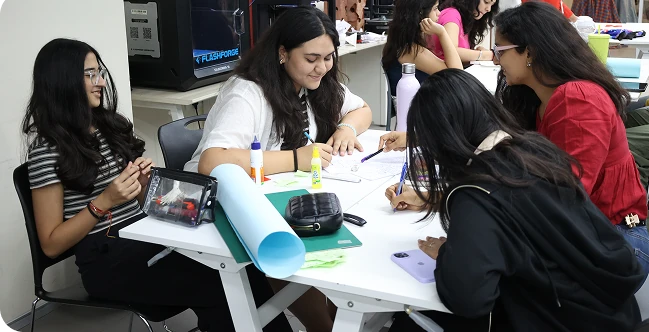
Not Just Portfolios
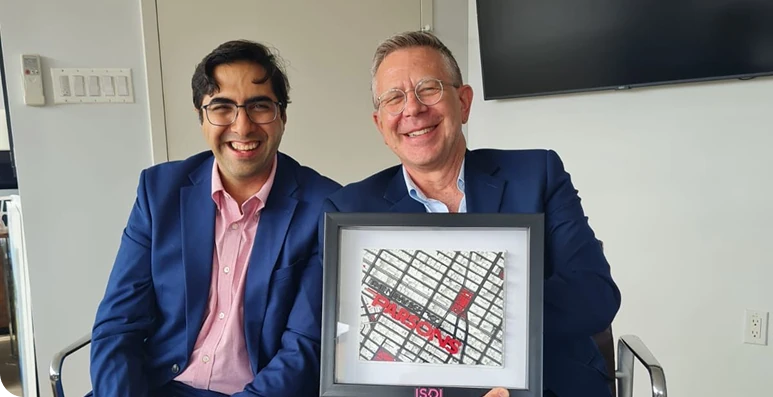
Global Perspective
New York, reimagined for today’s
Indian context.
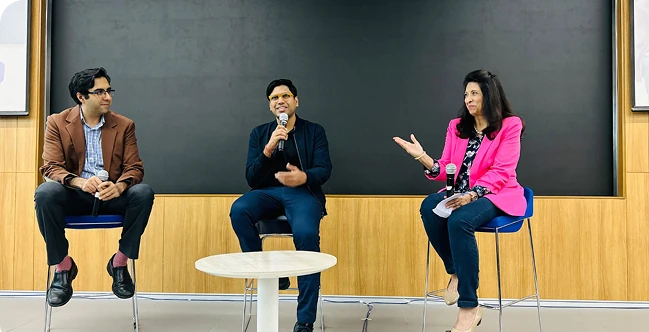
Also Makers
the people who design the world
you interact with.
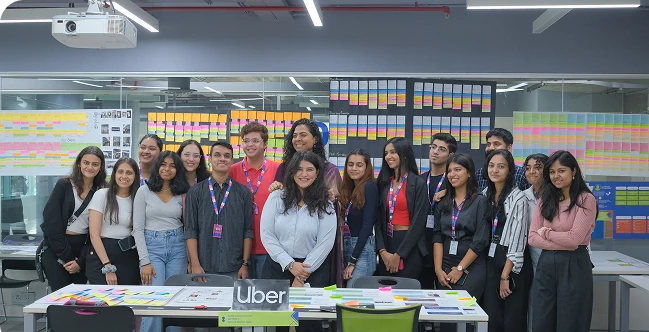
Studio Experience
Disciplinary
Where concepts meet execution,
in and beyond the classroom.
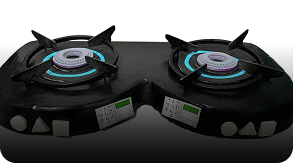
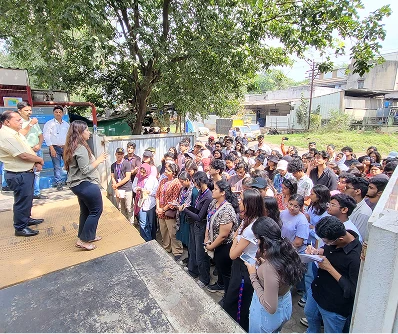 Industry visit to Nasik MIDCProduct Design students visited Nasik MIDC (Ambad and Satpur) for a two-day industrial exposure led by Mr. Viraj Gadkari, gaining firsthand insight into manufacturing processes, production systems, and real-world applications of product design.
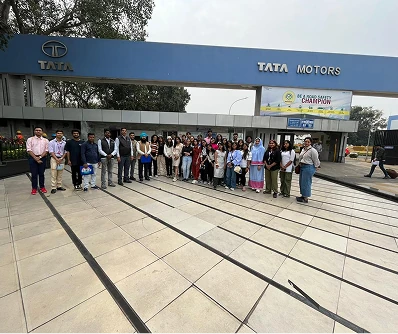 Industry Visit to Jamshedpur 1Product Design students visited Tata Motors for an industry exposure program, gaining firsthand insight into large-scale automobile manufacturing, design integration, and production systems. The visit helped students connect classroom learning with real-world engineering.
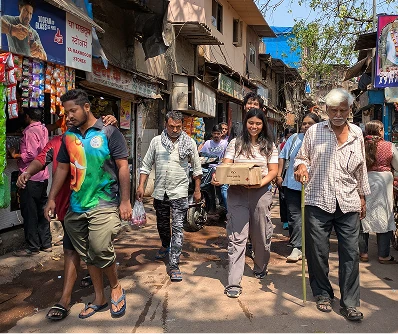 Surya - DharaviISDI Mumbai Product Design students visited Dharavi, Mumbai’s hub of small-scale industries, to explore real-world sustainability through recycling and upcycling. The visit offered insights into waste collection, sorting, and material reuse, while showcasing diverse local crafts like pottery, leatherwork, and embroidery.
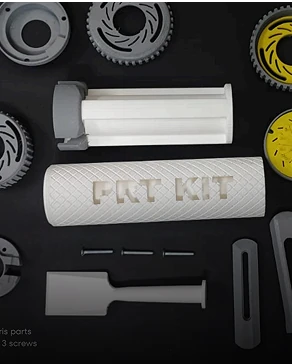
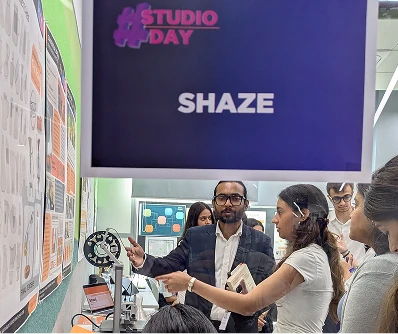 Surya - ShazeThe project redefined Shaze’s brand experience by integrating design, strategy, and innovation across disciplines. Students developed purpose-driven products, strategic market approaches, and engaging digital communication.
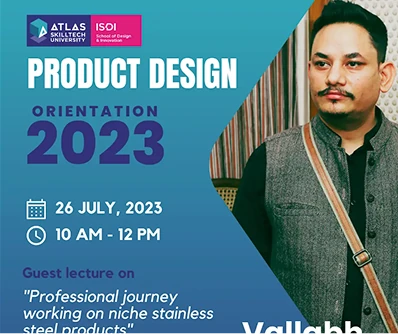 Vallabh Rastogi - Masterclass on Steel Lifestyle and home decorThe Product Design Department at ISDI hosted a masterclass by Vallabh Rastogi, a craft and design expert with 18 years of experience in homeware and décor. He shared insights from his work at VIYA HOME, emphasizing the fusion of traditional Indian craftsmanship with contemporary design.
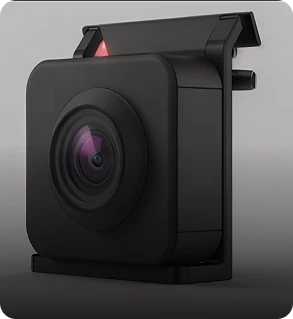
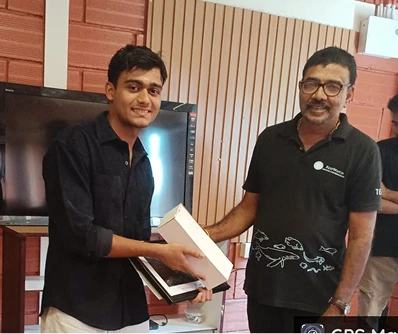 Reefwatch - Fishnet Innovation challenge Second Place - Parth AmlaniIn March 2025, ReefWatch India, a nonprofit dedicated to marine conservation, hosted the Ghost Net Innovation Challenge to develop creative solutions for ghost net pollution.
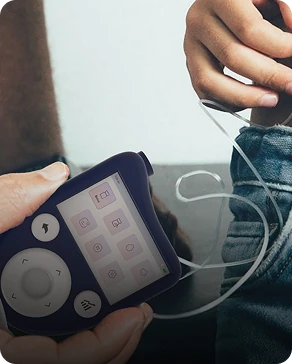
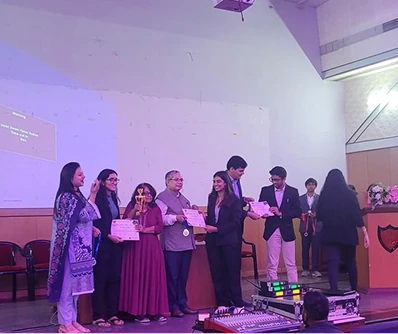 MedathonAt Medathon 2024 by M.I.C.E Labs & SINE IIT Bombay, Heeya Shah collaborated with medical students to tackle neonatal jaundice. Through research and clinical insights, the team designed a non-invasive, accessible, real-time monitoring solution to enable early diagnosis and improve neonatal care.
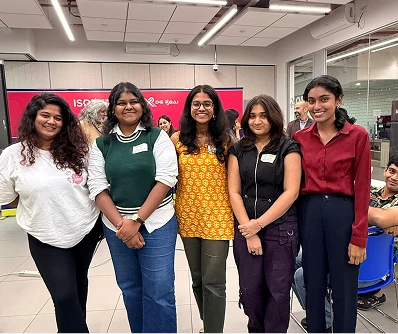 XR Apps Reimagination ChallengeFCS students had the incredible opportunity to intern at the iconic Dior show in India and were also part of curating the exclusive pre-show dinner experience, contributing to the larger narrative of India’s cultural showcase
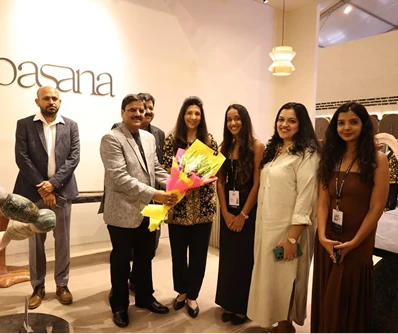 Pasana- Inuagration at India Design 2025 founded by Gun Aggarwal, Alumni Atlas SKilltech UniversityPasana- Inauguration at India Design 2025 founded by Gun Aggarwal, Alumni Atlas SKilltech University
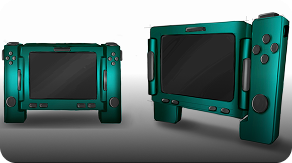
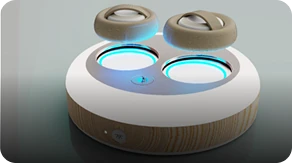
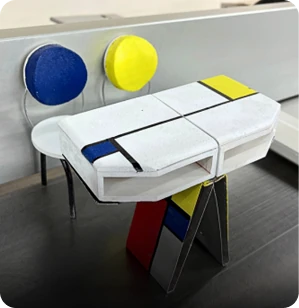
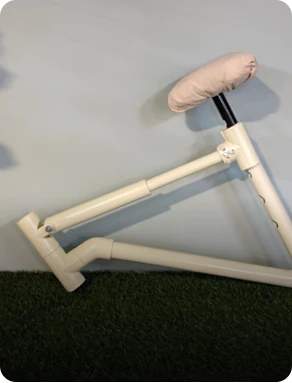
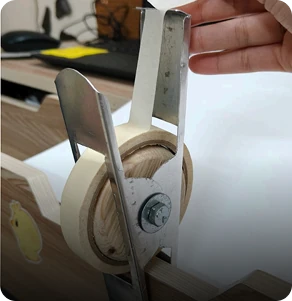
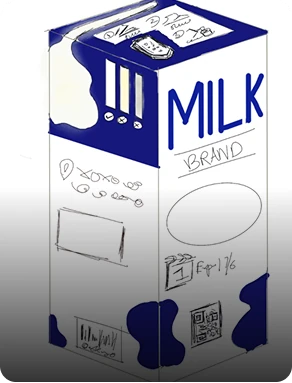
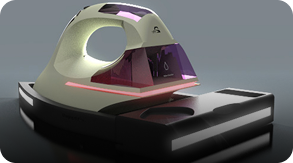
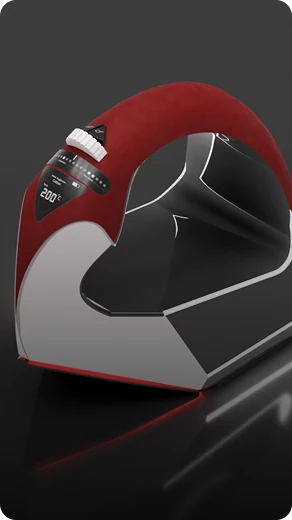
Student Projects in Motion


Student Voices: Real Voices from the Program
 We have learned so much about the industry. I am so happy to be practicing it now.
 Lavanya JaiswalClass of 2025

- I love our college, I am so proud of my college and excited for what’s next. I feel prepared thanks to everything my college has done for me.Nidhi DooaClass of 2025
- It has been great to bring the sketches to real life. I have learned a lot while working with different materialsHiteshi PatilClass of 2023
Ready to Build a Design Degree
that’s Built for the Real World?


Questions? We can read your mind
The product specialisation at ATLAS ISDI covers numerous things. The program enables students to transform the world with their knowledge. ATLAS ISDI stands out with its speciality:
Work on design projects and real-world problem statements
Develop skills in design thinking, prototyping and product development
Engage with emerging tools and technologies
Build a strong design portfolio over the course of the program
Gain exposure through workshops, industry interaction and experiential learning
Strategic design thinking is an evolving field that combines design thinking and an entrepreneurial mindset. By nurturing these two fields during the course, graduates can enter various industries. A few of the roles, which they can apply for, are:
Careers in design thinking
Roles in product development which pivot around design.
Building your own design-led ventures
Graduates who pursue strategic design management can pursue various roles. The industry is thriving and roles that can be pursued include:
Design Strategist
Innovation Consultant
Brand Manager
Creative Director
UX Researcher
Experience Designer
Social Impact Designer
Founder of designer studios
Students who are keen on pursuing the Product Design program at Atlas ISDI can develop innumerable skills. While theoretical knowledge forms the core of our teachings, we also ensure the development of soft communication skills to prepare students for a lucrative career. The skills that students acquire are:
Design thinking and problem-solving
Product conceptualisation and development
Research, prototyping and testing
Collaboration and teamwork
Communication and presentation skills
Strategic Design Management taught at ATLAS ISDI differs from your traditional MBA. The goal of this program is to nurture the students with design-led innovation and creative problem-solving. The course focuses on:
Integration of design thinking with business strategy
Innovation-driven approaches to solving real-world challenges
Project-based learning and industry exposure
Preparation for roles in creative and design-driven industries
Encouragement of entrepreneurial thinking
The programs at ATLAS ISDI School of Design & Innovation are designed with curricular partnerships with Parsons School of Design, aligning them with global design education practices. Students benefit from:
Exposure to international design methodologies
Industry interaction and practical learning
Portfolio development and project-based experience
While the curriculum reflects global standards, recognition may vary by country and institution.
For undergraduate programs such as Product Design at ATLAS ISDI School of Design & Innovation, candidates must:
Have completed 10+2 (or equivalent) from a recognised board
Meet the minimum required academic criteria (as specified by the university)
Complete the selection process, which may include: Design aptitude assessment or project Personal interview
Portfolio submission may be required or optional, depending on the admission process for the year.