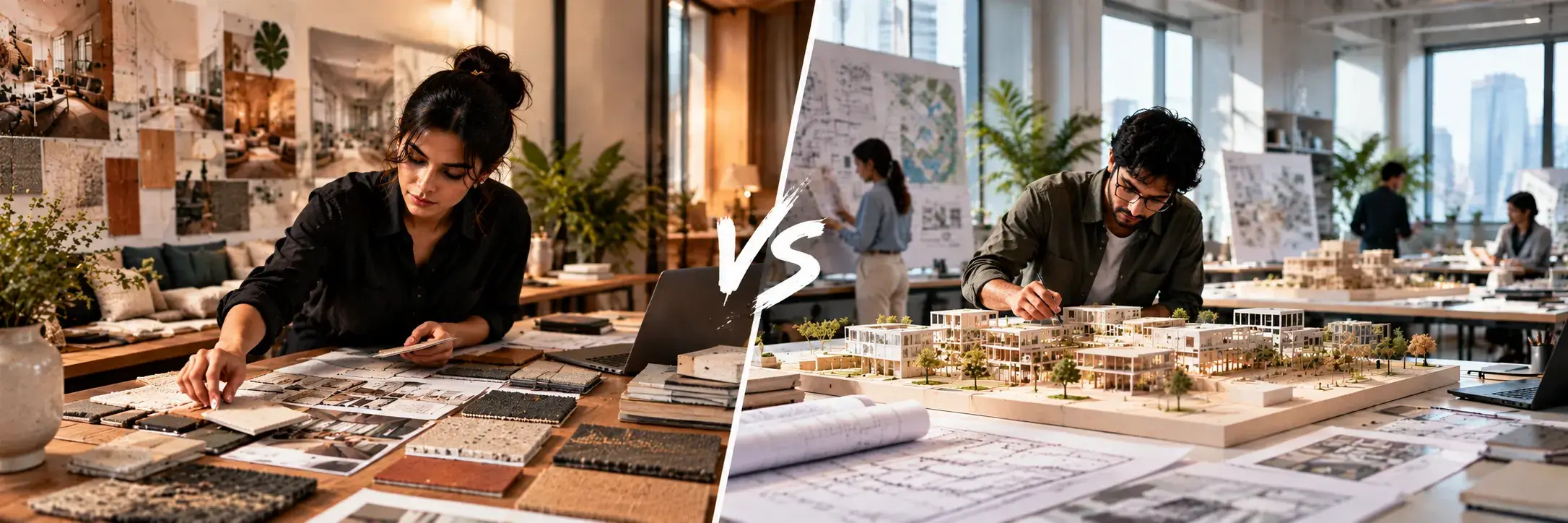
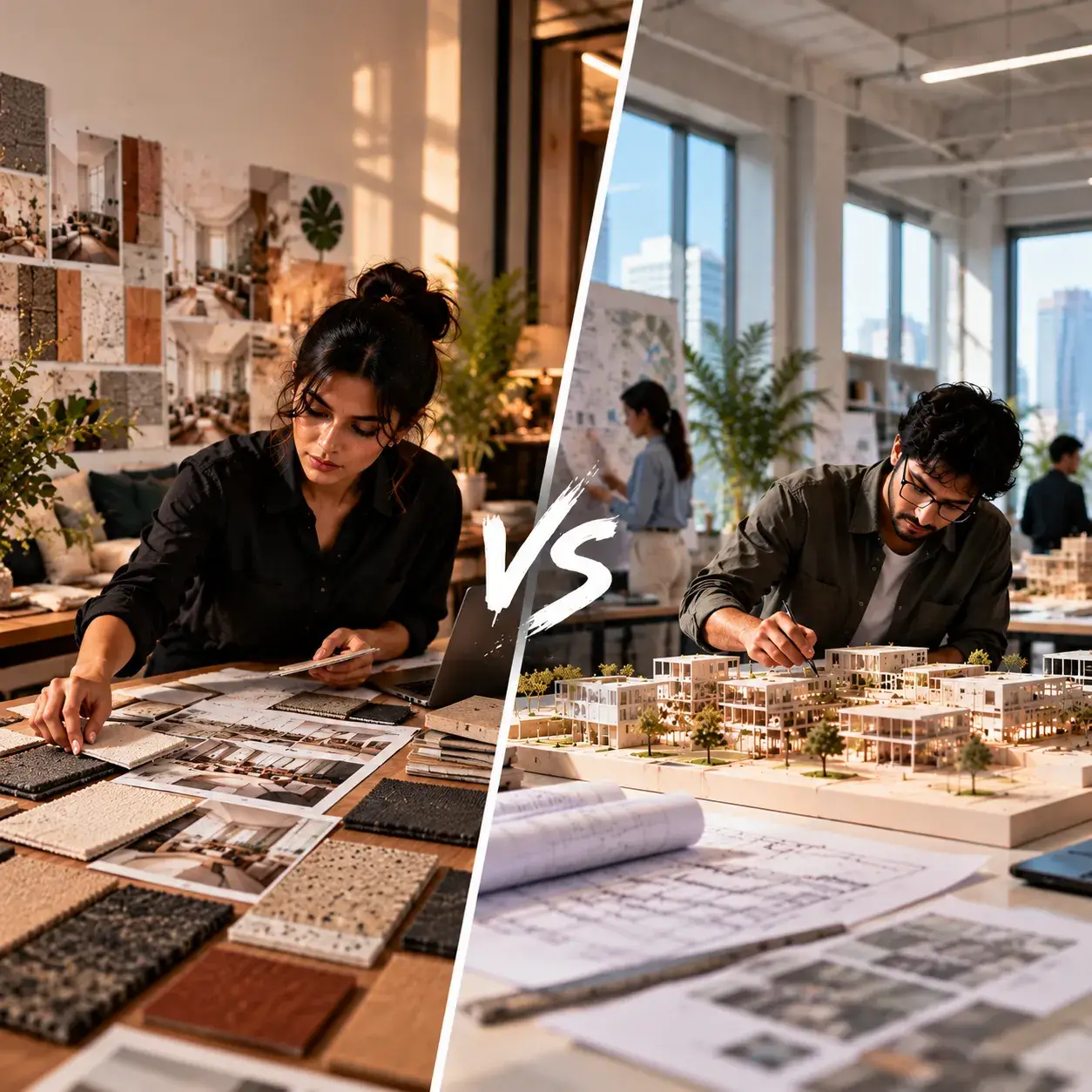
The spatial design meaning extends beyond the arrangement of furniture, finishes, and objects within a room. Spatial design examines how spaces are conceived, organised, connected, and experienced by the people who inhabit or move through them.
Rather than focusing exclusively on a particular type of environment, spatial design considers the relationship between people, physical settings, movement, perception, and activity. It asks how a space communicates, how people navigate it, and how its different elements work together to create an experience.
Spatial design can be applied to a single room, a retail environment, an exhibition, a public space, or a larger interconnected setting. Depending on the project, it may also involve temporary installations and digitally mediated experiences.
Consider a museum exhibition. Its design involves more than choosing display cases and deciding where objects should be placed. Designers must consider the sequence in which visitors encounter information, how they move between exhibits, where they pause, how lighting directs attention, and how the environment supports interpretation.
The overall objective is to shape the visitor's experience through the organisation of space.
Key Elements of Spatial Design
Spatial design combines physical planning with an understanding of how people perceive and navigate their surroundings.
1. Spatial relationships and configuration
Designers examine how individual areas relate to one another. This includes the connections between public and private spaces, open and enclosed areas, and different zones within a larger environment.
2. Movement and circulation
Movement is central to spatial design. Designers consider how people enter, exit, navigate, gather, and transition between spaces. Clear circulation can improve accessibility, reduce confusion, and create more intuitive experiences.
3. Human perception and behaviour
The proportions of a room, the placement of openings, changes in lighting, and the relationship between enclosed and open areas can influence how people perceive and use a space. Spatial designers consider these factors when developing environments for specific activities or experiences.
4. Experience and storytelling
A space can communicate ideas through its layout, sequence, materials, visual cues, and atmosphere. This is particularly relevant to exhibitions, museums, installations, retail environments, and experiential spaces.
5. Physical and digital interactions
Spatial design increasingly intersects with interactive technology, projection mapping, augmented reality, virtual reality, and immersive installations. These tools can introduce new ways for people to engage with an environment, although technology is most effective when it serves a clear design purpose.
Where Is Spatial Design Used?
Spatial design can be applied across a wide range of environments and experiences.
Examples include:
-
Exhibition and museum design: Organising displays, visitor journeys, and interpretive experiences.
-
Retail and experiential design: Creating environments that connect physical space with brand identity and customer behaviour.
-
Public and community spaces: Planning areas that support movement, interaction, gathering, and accessibility.
-
Events and installations: Designing temporary environments for exhibitions, festivals, performances, and cultural experiences.
-
Workplace and learning environments: Structuring spaces to support collaboration, concentration, movement, and different modes of participation.
-
Immersive and interactive environments: Integrating spatial layouts with digital content and interactive technologies.
It is important to note that spatial design is not a single, universally defined professional category. Its scope varies across educational institutions, design practices, and industries. It can overlap with interior design, architecture, exhibition design, experience design, and related disciplines.
What distinguishes it is the emphasis placed on the overall spatial experience rather than on one particular type of environment or set of interior elements.