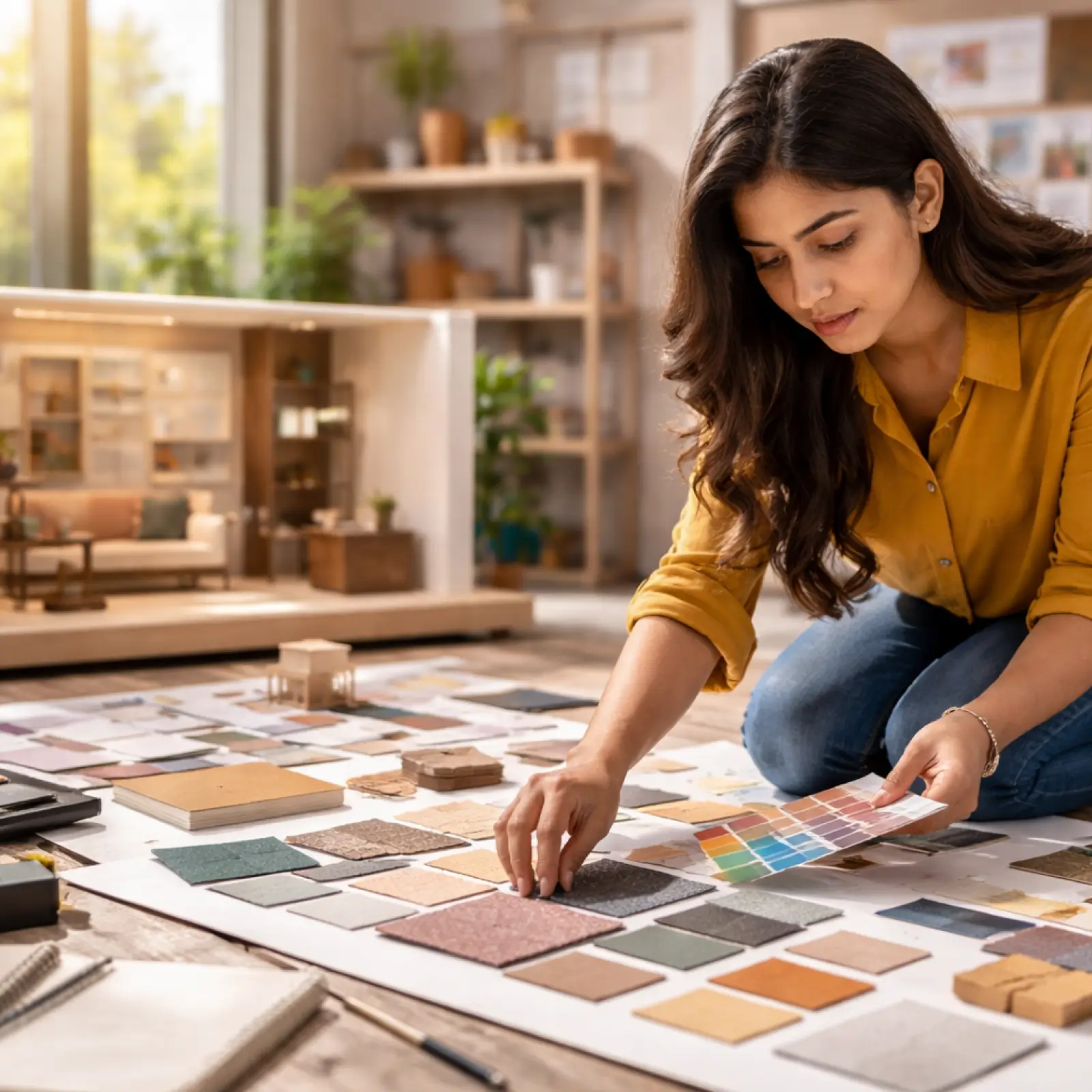
The field of interior design is evolving at an unprecedented pace. With rapid technological advancements, changing lifestyles, and a growing focus on sustainability, designers are expected to go beyond traditional aesthetics. Understanding the latest trends not only helps students choose the right interior design degree but also ensures they develop the skills needed to succeed in a modern and competitive industry. Here are the key trends shaping interior design schools and interior design degree in 2026
1. Smart Homes and IoT Integration
The concept of smart homes has moved from futuristic fantasy to practical reality. Interior designers are increasingly incorporating Internet of Things (IoT) technologies into residential and commercial spaces. This includes automated lighting, climate control, security systems, and connected appliances. Modern designers must plan spaces that seamlessly integrate these technologies without compromising on aesthetics or functionality. Graduates with experience in designing technology-enabled interiors are highly sought after, particularly in urban housing and luxury developments.
2. Sustainability and Eco-Friendly Design
Sustainable design is no longer optional. It is a standard requirement in both residential and commercial projects. Designers are exploring eco-friendly materials, such as reclaimed wood, recycled metals, and low-VOC paints, as well as energy-efficient lighting and insulation solutions. Understanding sustainability involves more than materials; it also encompasses water and energy management, waste reduction, and low-carbon footprint strategies. Students pursuing a bsc interior design or a bachelor of interior design now need to be proficient in sustainable practices, as these are increasingly demanded by clients and regulatory bodies.
3. Compact and Multifunctional Spaces
With urbanization and rising real estate costs, designers face the challenge of maximizing functionality in limited spaces. This has led to innovative solutions such as modular furniture, foldable walls, multipurpose rooms, and hidden storage. A well-designed compact space can feel spacious, functional, and stylish at the same time. Interior design schools programs that train students in space optimization techniques prepare them to meet the needs of modern urban living, making them highly adaptable for residential, co-living, and commercial projects.
4. Minimalism with Personalization
Minimalist design continues to dominate global trends, but there is a growing emphasis on personalized interiors. Spaces are clean, uncluttered, and functional, yet infused with the personality of the occupant or brand identity. This trend requires designers to combine restraint with creativity, selecting the right materials, color palettes, and textures while integrating custom elements that make the space unique. Students who learn how to balance simplicity with personal storytelling will have a competitive edge in both interior decorator degree and full-scale interior design careers.
5. Hybrid Workspaces and Flexible Commercial Interiors
The shift toward hybrid work models has transformed office design. Companies now require flexible, multi-use spaces that accommodate remote collaboration, wellness zones, and productivity-enhancing layouts. Designers and interior design schools must consider ergonomics, lighting, acoustics, and social areas while creating adaptable environments. Graduates skilled in planning hybrid commercial interiors are highly valued by corporate clients, coworking spaces, and hospitality firms seeking versatile, future-ready layouts.
6. Virtual Design Tools and Digital Visualization
Digital tools are revolutionizing how designers conceptualize and communicate their ideas. Software like AutoCAD, Revit, SketchUp, and 3D visualization platforms, along with VR technology, allow designers and clients to experience spaces before they are built. This reduces errors, improves collaboration, and helps clients make informed decisions. Programs that integrate virtual design tools into their curriculum ensure students graduate with skills that are immediately applicable in professional settings.
Programs that incorporate these emerging trends equip students with a versatile skill set, combining creative design, technical proficiency, and practical application. Whether pursuing a bachelor home design, bachelor of interior design, or masters in interior design, graduates who understand and apply these trends are well-prepared to meet the demands of a rapidly evolving industry. They can confidently take on residential, commercial, and specialized design projects, positioning themselves as forward-thinking professionals ready for the challenges and opportunities of 2026 and beyond.