
BBA / BBA (Hons.) Majoring in Finance
4-Year (Hons.)
You will engage in practical learning through live market simulations, industry case studies, finance labs, and masterclasses delivered by expert practitioners. From investment analysis to fintech disruption, every concept is taught with a focus on real-world business applications. By the end of the program, you will be equipped to make data-driven decisions, foster financial growth and generate business impact whether working with a multinational corporation, a cutting-edge startup or your own entrepreneurial venture.
 MarketingGo beyond the fundamentals of branding and consumer behaviour. The Marketing minor equips you to develop impactful campaigns, understand audience insights and build standout brands in today’s competitive landscape.
 Family Managed BusinessDevelop expertise in governance, succession, strategy, finance and leadership within family enterprises. Prepare to lead, professionalise and sustain multi-generational businesses in an evolving global business environment.
 Business AnalyticsHarness data to drive smarter business decisions. Learn to analyse trends, visualise information and use quantitative tools to impact marketing, finance, and strategy with data-driven insights.
 EntrepreneurshipTransform ideas into action by learning to launch ventures and drive innovation. This minor sharpens your creativity, leadership and problem-solving through real-world projects and collaboration.
 EconomicsExplore the economic forces and policies shaping global businesses and markets. Learn how economic analysis informs decision-making and drives innovation through public policy.

 AI & Emerging TechnologiesUnderstand how AI, machine learning and emerging technologies are reshaping industries and driving innovation, efficiency and growth.
 Digital Branding & AdvertisingMaster digital marketing strategies, create compelling brand identities, and design effective campaigns to engage and grow online audiences.
 Business PsychologyExplore how psychological principles influence workplace behaviour, leadership, decision-making and team dynamics to optimise performance and culture.
Semester 1

Principles of Management
Marketing Management & Consumer Behaviour
Behavioural Psychology
AI Tools & Excel for Decision Making
Entrepreneurship Fundamentals
Basics of Finance / Design Thinking for Business
ATLAS Elective
Semester 2
New-Age Business Models
Digital Marketing 101
Communication Psychology
Economics
Financial Statement Analysis / Systems Thinking for Innovation
Statistics for Business / Creative Thinking & Problem Solving
ATLAS Elective
Why Choose BBA / BBA (Hons.) at ATLAS ISME?
Future-Ready Curriculum
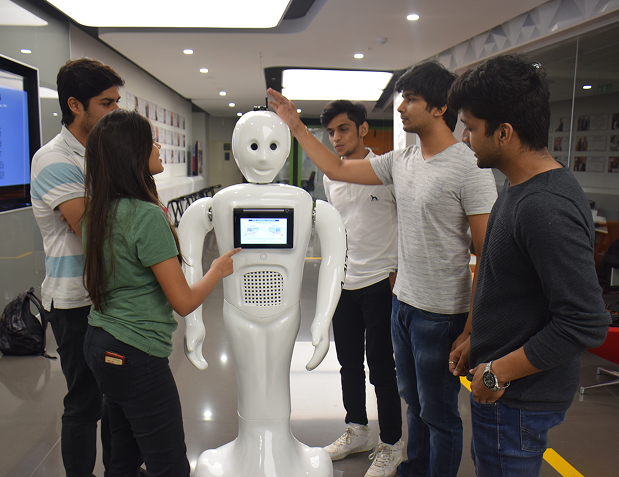
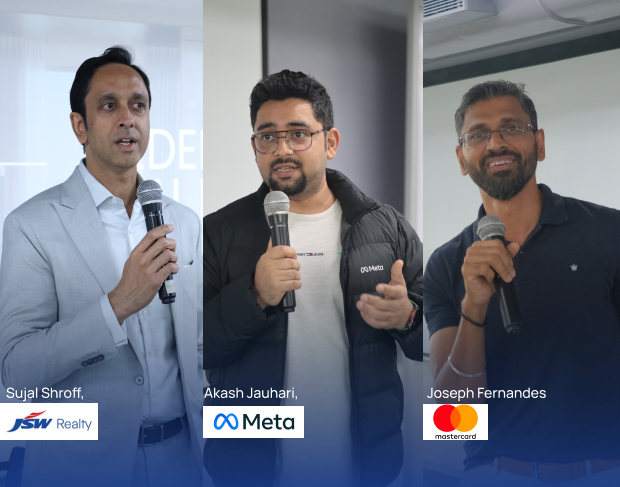
Learn from Industry,
Not Just Academia
Foundation Year: Build Your Base. Discover Your Edge.
Global Is Built In
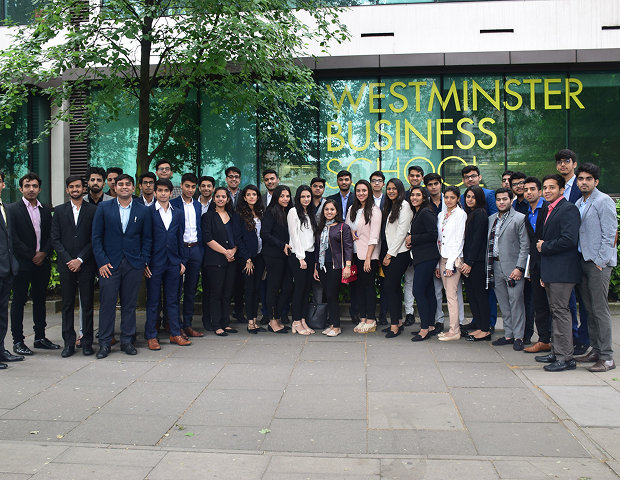
Built For Outcomes
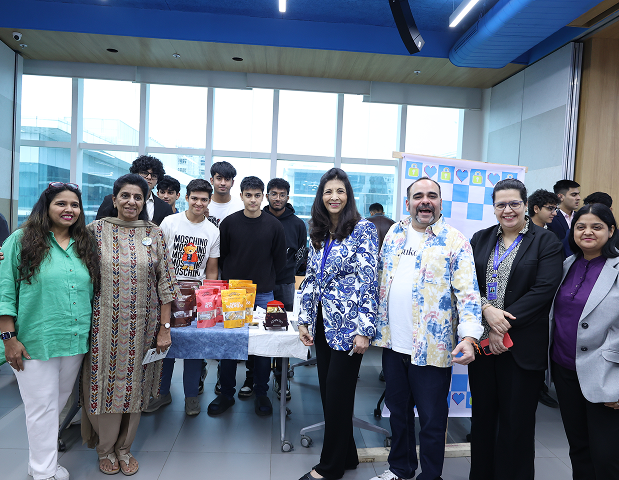
Practice > Theory
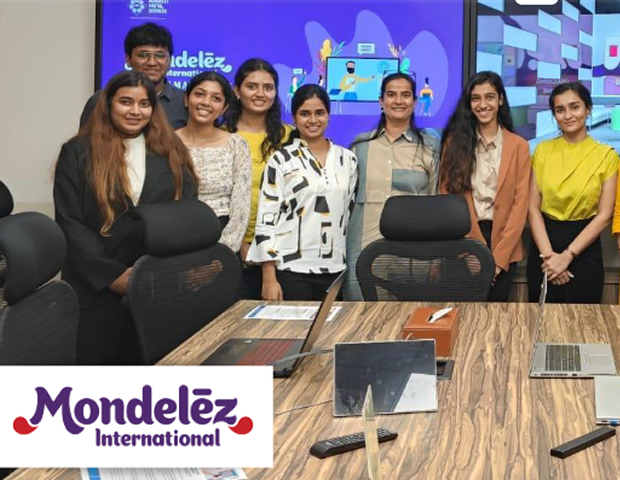
Where concepts meet execution,
in and beyond the classroom.
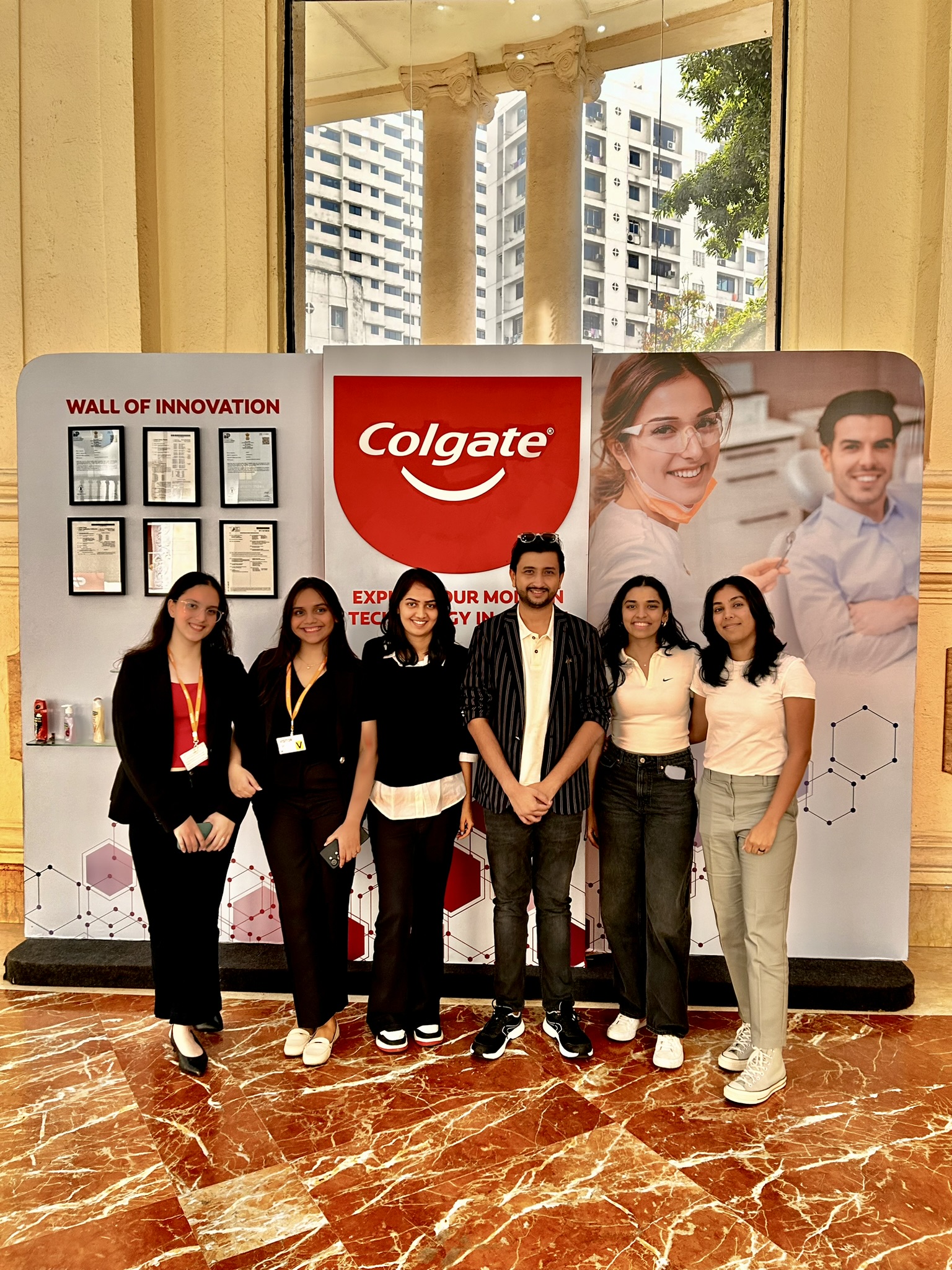 Live Industry
ProjectsIn marketing strategy, market research, and financial analysis Startup Street CollaborationsRun brand campaigns or develop finance models for real ventures
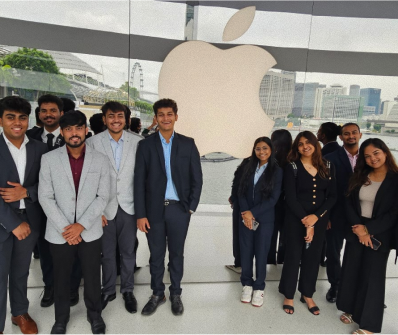 Client Campaign ExecutionAcross digital, retail, and
fintech sectors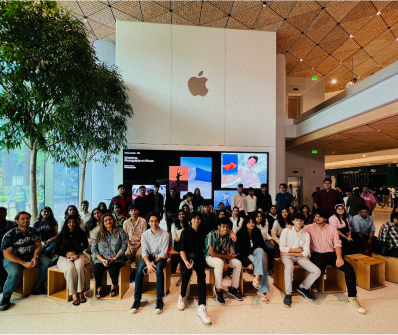 Field Research, Consumer SurveysHands-on Learning to real world research and data insights
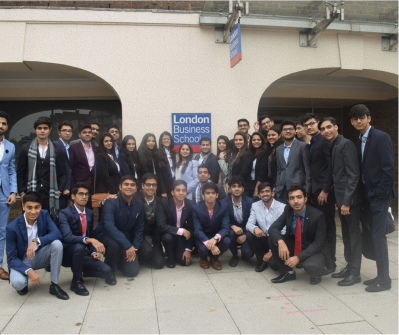 Internships & Global ImmersionsWith agencies, corporates, and investment firms
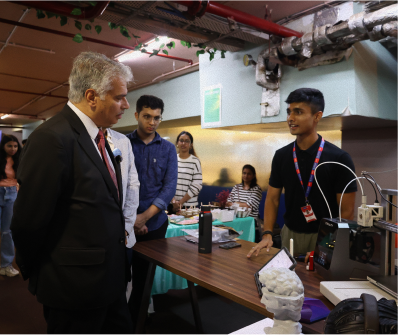 Industry Projects & ShowcasesWhere you pitch to professionals and potential investors
Student Voices: Real Voices from the Program
- At ATLAS, we’re not just learning from books, we get to work on real challenges that actually make a difference.
 Eshan Thackur3rd Year
BBA Student
- It feels like running our own little company sometimes.That hands-on experience is what makes being here so exciting.Mahafrin Deboo3rd Year
BBA student - I love the professors here and their enthusiasm, its not what they teach but what they bring to the class.Ayush BhatiaClass of 2023
BBA student - I always thought I knew Entrepreneurship, my perspective completely changed, thanks to my professors at ATLAS ISMEDiya ChandaClass of 2023
BBA student
Your guide to joining ATLAS BBA



- Minimum 50% overall in Class XII
- GCSE/IGCSE Examinations of the approved British Examination Bodies, with minimum 5 (Five) subjects in A, B, C, D and E grades, including English at Ordinary 'O' Level and 2 subjects at Advanced ("A") Level has been equated with +2 qualification
IB Diploma Program
- 3 HL, 3 SL subjects with a minimum of 24 credit points.
- 3 HL, 3 SL subjects with a minimum of 24 credit points.
- Students graduating with 02 DP subjects with atleast 01 subject at HL Level and minimum 03 points in each DP subject.
- Career Related Study (CRS) with at least 03 subjects.
- IBCP Equivalence for General Strand (Design, Science, B. Sc Finance): International Baccalaureate Career Related Study (IBCP) qualification with core components requirement awarded by International Baccalaureate (IB).
Ready to Build a Business Degree
That’s Built for the Real World?



Questions? We can read your mind
Yes. The BBA Finance at ATLAS ISME is UGC-recognised and industry-endorsed, with a curriculum built around live projects, business simulations and CXO-led masterclasses, making it a strong foundation for careers in banking, investment and corporate finance.
Graduates can pursue roles such as Financial Analyst, Investment Banker, Portfolio Manager, Credit Analyst and Business Development Manager, across MNCs, financial services firms, start-ups and entrepreneurial ventures.
A general BBA gives you a broad business foundation, while BBA Finance offers a sharper, role-specific focus. If you have a clear interest in capital markets, investment or corporate finance, the BBA Finance is the more targeted and career-ready choice.
It's rigorous but structured well. Concepts like financial modelling, investment analysis and risk management require quantitative thinking, but ATLAS ISME's industry-integrated teaching methodology uses case studies, simulations and live projects to make learning applied and progressive.
At ATLAS ISME, the BBA (Hons.) in Finance suits those wanting a broader business + finance combination. The B.Sc. (Hons.) in Finance is CFA-curriculum aligned and ideal for those targeting pure finance careers in investment banking, wealth management or global markets.
ATLAS ISME is a strong choice. Located in Mumbai's BKC, it works with the dynamic business industry surrounding the campus to create opportunities like masterclasses, global immersions, internships and industry mentorship, all within walking distance of 500+ corporations.
Key subjects include Corporate Finance, Investment Analysis & Portfolio Management and Financial Modelling. The curriculum also covers Financial Statement Analysis, Business Law, Statistics for Business, Derivatives & Risk Management, FinTech & Blockchain in Finance and Alternative Investments.
For the BBA Finance major, the standard eligibility is 50% in Class XII in any stream; Maths is not mandatory. However, for the B.Sc. (Hons.) in Finance, Mathematics is a mandatory subject with a minimum of 60%.
BBA Finance at ATLAS ISME is more practice-oriented compared to a traditional B.Com that leans toward accounting and compliance. If you want real-world financial thinking over theory, BBA Finance is the stronger pick.
Yes. ATLAS ISME provides on-campus CFA exam coaching, with modules designed around case studies and industry notes to prepare students thoroughly. The B.Sc. Finance program is also CFA curriculum aligned, making it an even stronger launchpad.
Graduates are hired across banking, investment management, corporate finance, fintech, consulting, private equity, wealth management and insurance, with ATLAS ISME alumni placed at leading Indian and global firms.
Key skills include financial modelling, valuation, data interpretation, analytical thinking and communication. ATLAS ISME builds these through live market labs, investment challenges, financial simulations and mandatory internships, ensuring students are industry-ready from day one.
Yes, especially if your major is in a business or strategy-oriented field. The Economics minor at ATLAS ISME helps students explore the economic forces and policies shaping global businesses and markets and learn how economic analysis informs decision-making and drives innovation through public policy. It adds analytical depth and macro-level thinking that directly complements any business major.
At ATLAS ISME, a minor is a secondary area of specialisation you study alongside your chosen major. The BBA / BBA (Hons.) program is designed in two steps allowing you to design a business education that's as dynamic as the world you're entering. Minors available include Marketing, Finance, Business Analytics, Entrepreneurship, Economics, AI & Emerging Technologies, Digital Branding & Advertising and Business Psychology.
Yes. Economics is not a mandatory standalone subject in the BBA at ATLAS ISME, it is an optional Minor you can choose to add to your degree. If you select a different Minor (such as Finance or Business Analytics), you can still complete your BBA without any Economics coursework. However, a foundational Economics course does appear in the core curriculum as part of the broader business foundation.
They serve different purposes. A BBA is a professional, practice-oriented degree focused on business management, strategy and career readiness across corporate roles. A pure Economics degree is more analytical and research-oriented. At ATLAS ISME, the BBA with an Economics Minor gives you the best of both without committing to a full Economics degree.
At ATLAS ISME, the Economics Minor within the BBA is applied rather than purely mathematical. Subjects include Microeconomic Analysis, Macroeconomic Analysis, Quantitative Methods for Economics, Economic Analysis of Public Policy, International Economics, Development Economics, Behavioural Economics, Game Theory & Strategic Thinking, Environmental & Sustainability Economics and Econometrics & Data Analytics. While some quantitative thinking is involved, the emphasis is on real-world application and business relevance, not advanced pure mathematics.
The Economics Minor across the BBA in Marketing curriculum includes: Economics (foundational), Microeconomic Analysis, Macroeconomic Analysis, Quantitative Methods for Economics, Economic Analysis of Public Policy, International Economics, Development Economics, Behavioural Economics, Game Theory & Strategic Thinking, Environmental & Sustainability Economics and Econometrics & Data Analytics.
Economics gives Marketing students a powerful analytical edge. Understanding consumer demand, pricing dynamics, market competition and macroeconomic trends helps marketers build smarter strategies, not just creative ones. Subjects like Behavioural Economics and Game Theory directly enhance how a marketer understands consumer decision-making and competitor behaviour, while Econometrics & Data Analytics adds a quantitative layer to campaign and market analysis.
The Economics Minor equips you with analytical and quantitative skills, helping you understand market trends, economic policies and business environments. This opens doors to roles in market research, economic consulting, policy advisory, finance and strategy. Combining economic insight with your major makes you a well-rounded candidate, giving you an edge in placements and making you highly attractive to recruiters across corporates, start-ups and research institutions.
The website does not specify this directly. It is advisable to confirm with the ATLAS ISME Admissions or Academic team for the exact degree nomenclature. However, at most universities following the NEP framework both the Major and Minor are reflected in the academic transcript and degree documentation.